
2026 Audi Q3 Review: Diesel Is Not Dead, but the Brand’s Favorite Is the Plug-In Hybrid
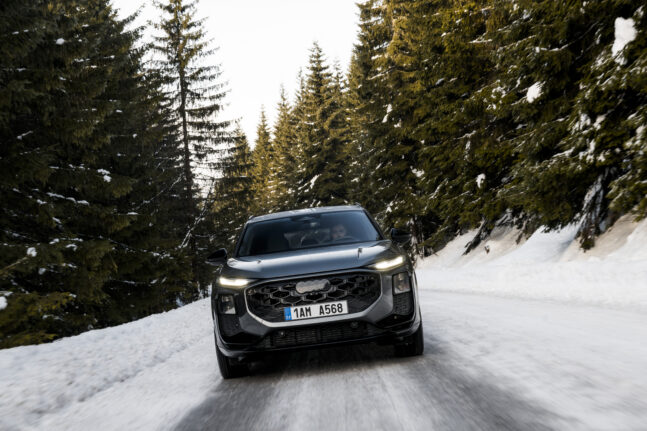
2026 Audi Q3 Review. After last year’s introduction of the new A6 and Q5 generations, which pleased Audi fans who still prefer combustion engines, the first examples of the new-generation Audi Q3 have now arrived. The premium compact SUV retains two body styles, offers petrol and diesel engines, and adds a powerful plug-in hybrid with an electric range of over 100 km, along with completely new lighting technology. The new steering-wheel stalks are also highly unconventional.
The Audi Q3 is one of the brand’s best-selling models globally. Audi expects similar success with the third generation, so much so that in addition to the main production in Győr, Hungary, Audi is also planning supplementary assembly directly in Ingolstadt.
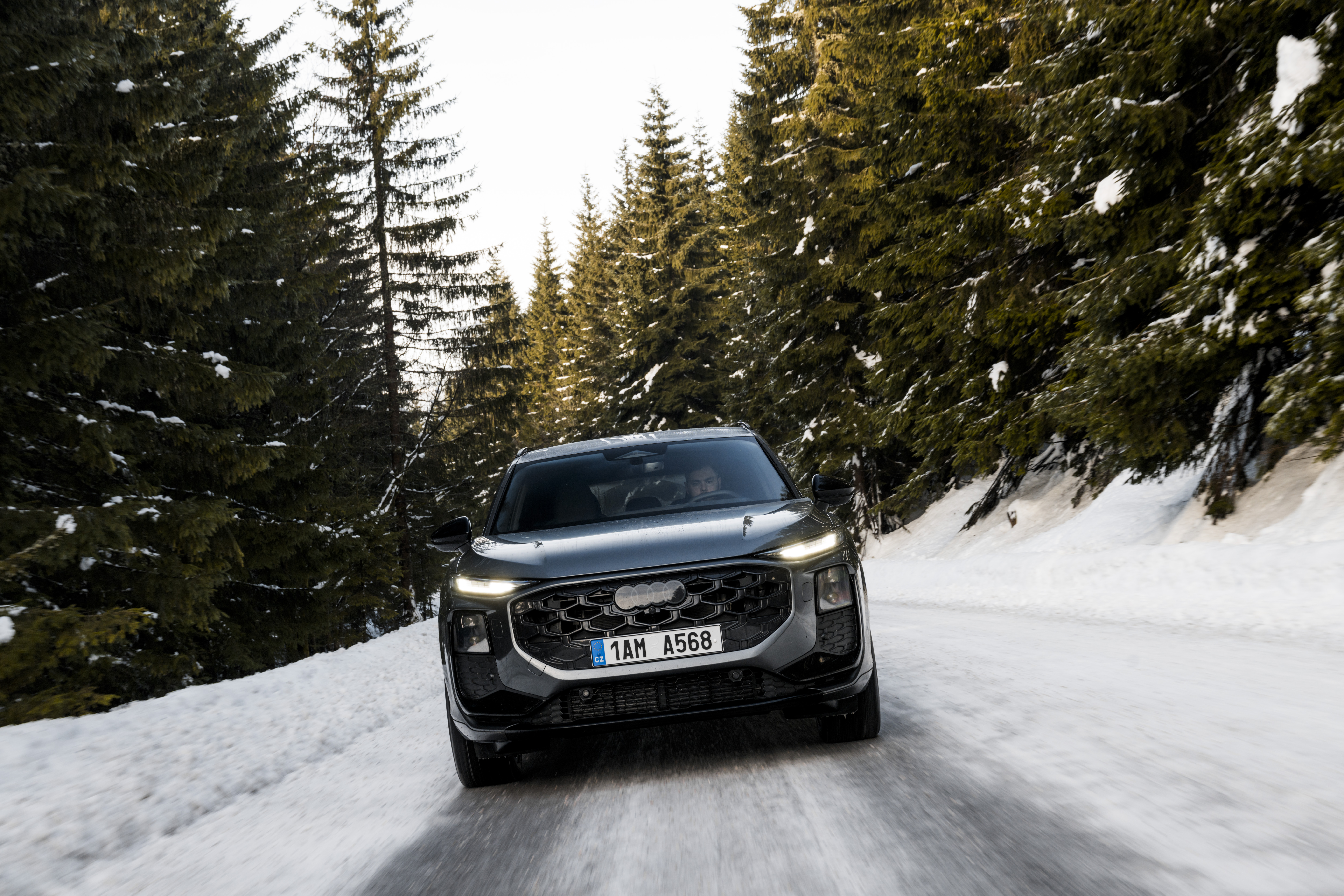
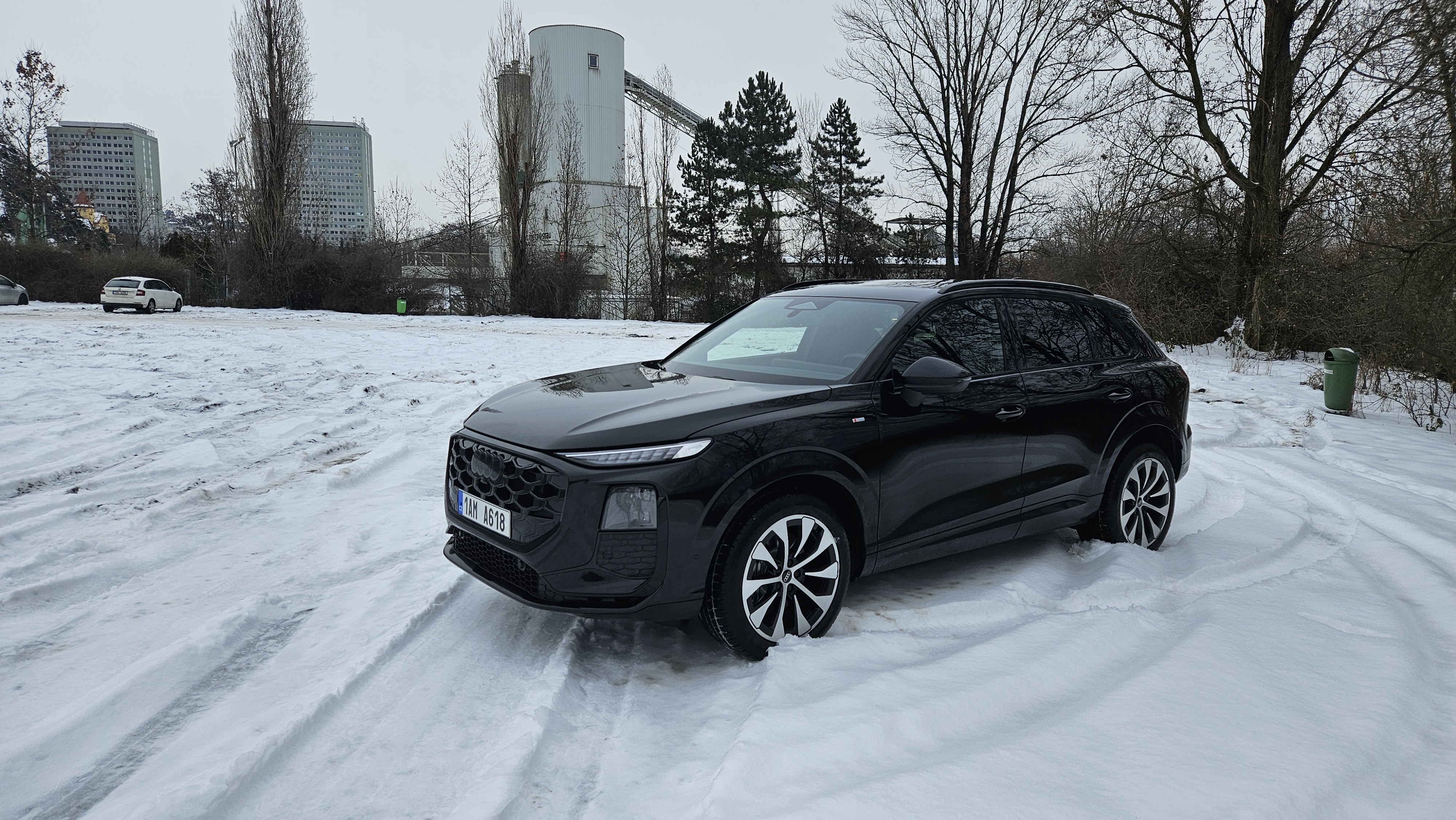
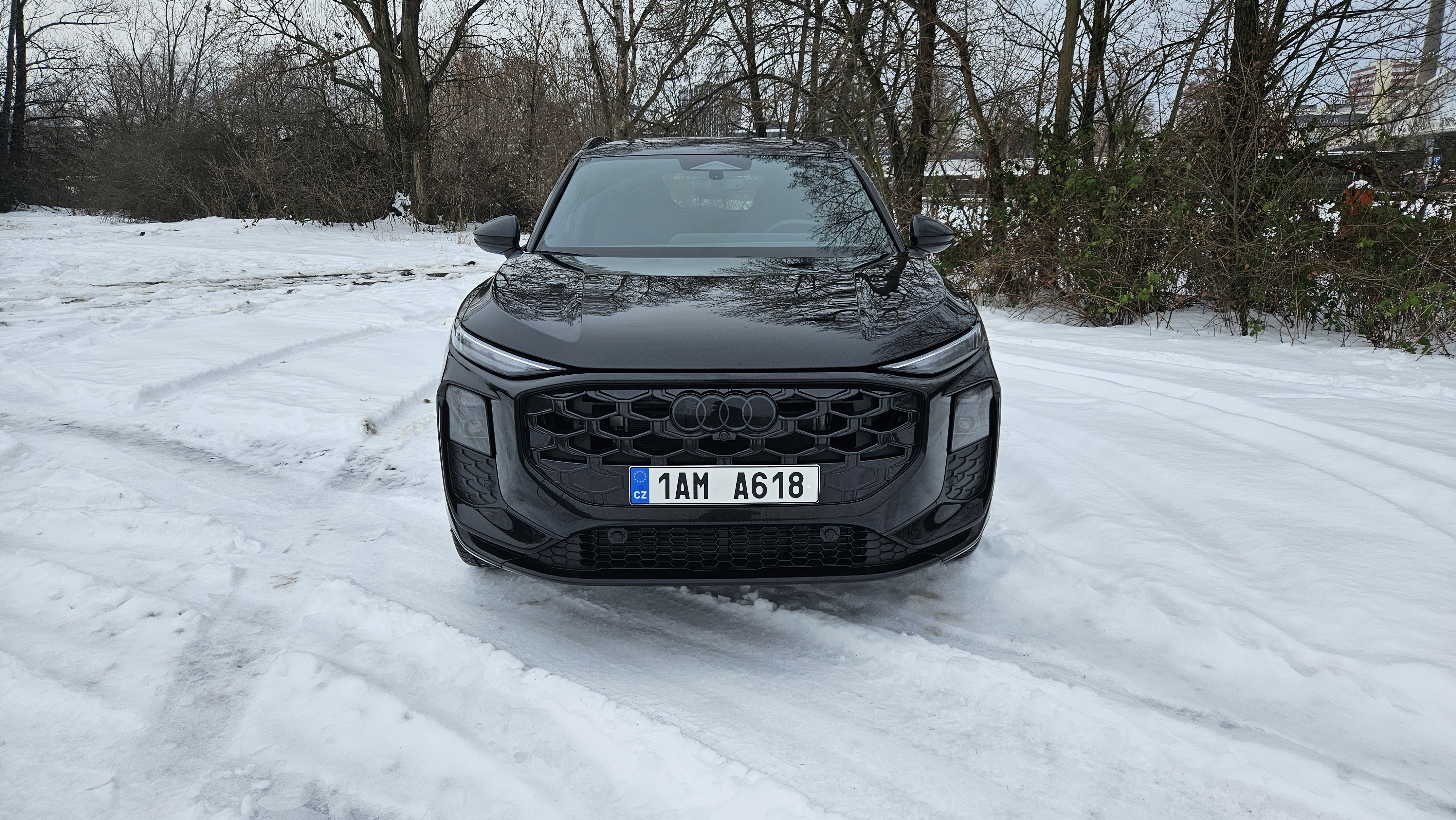
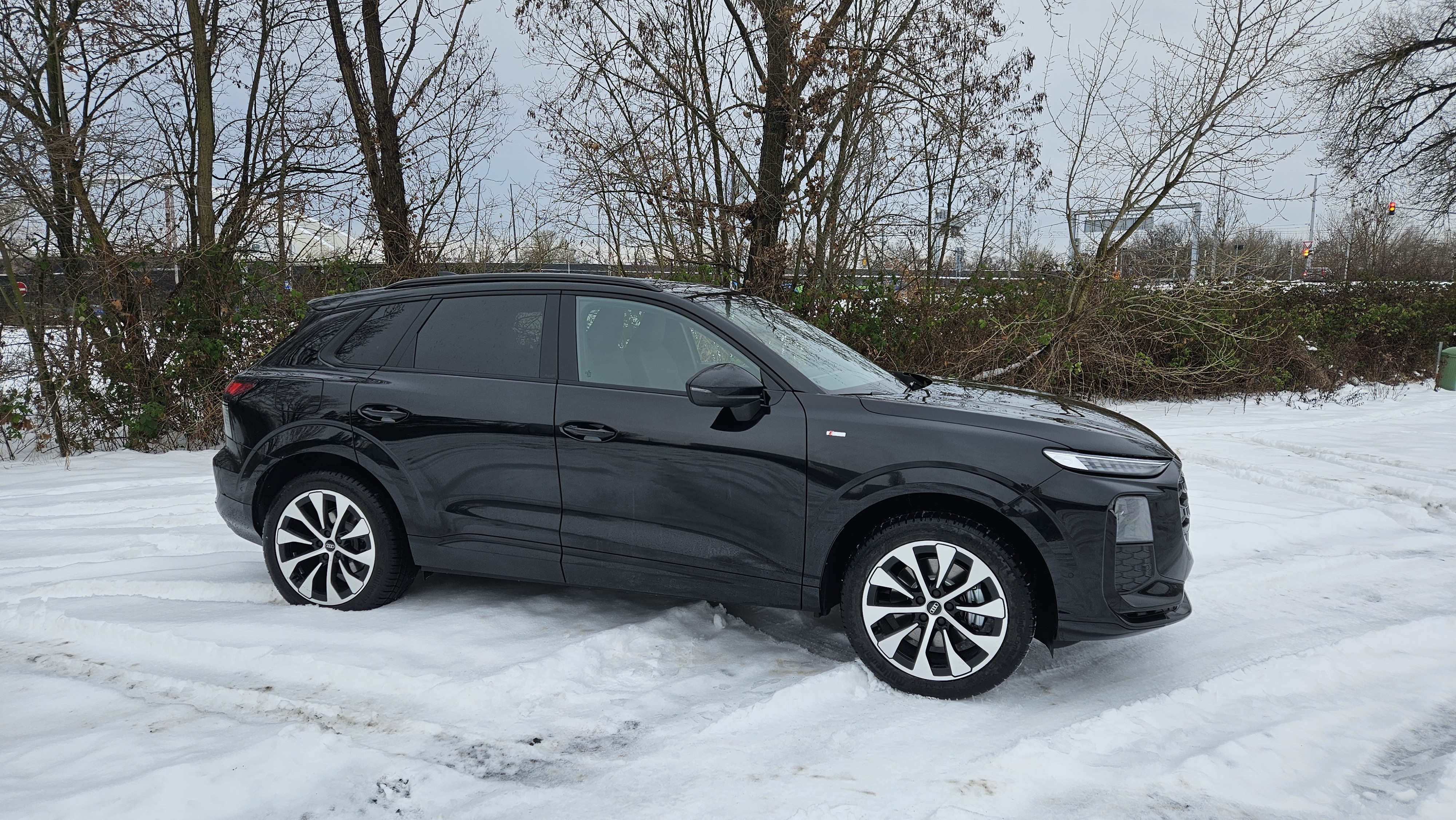
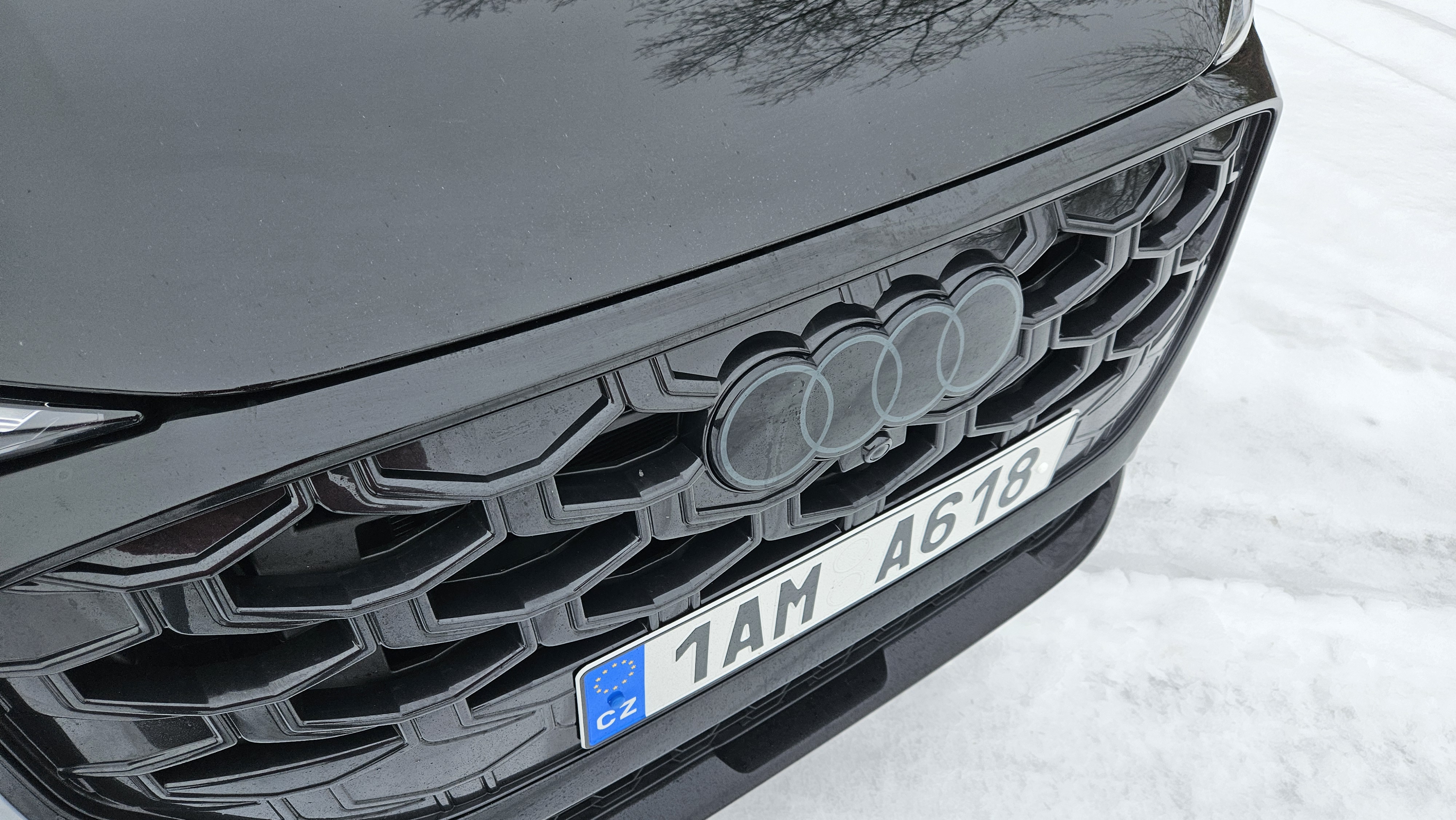
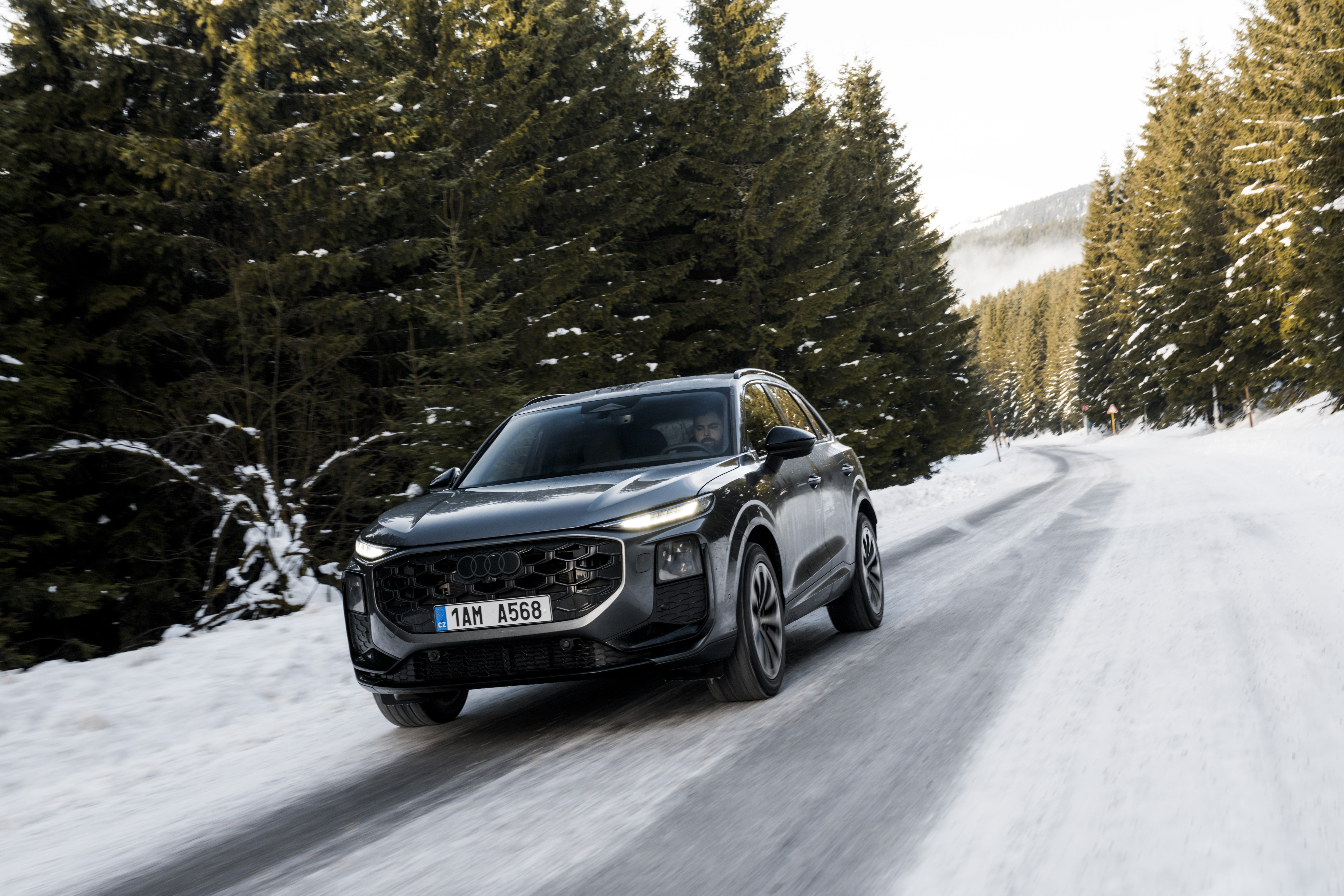
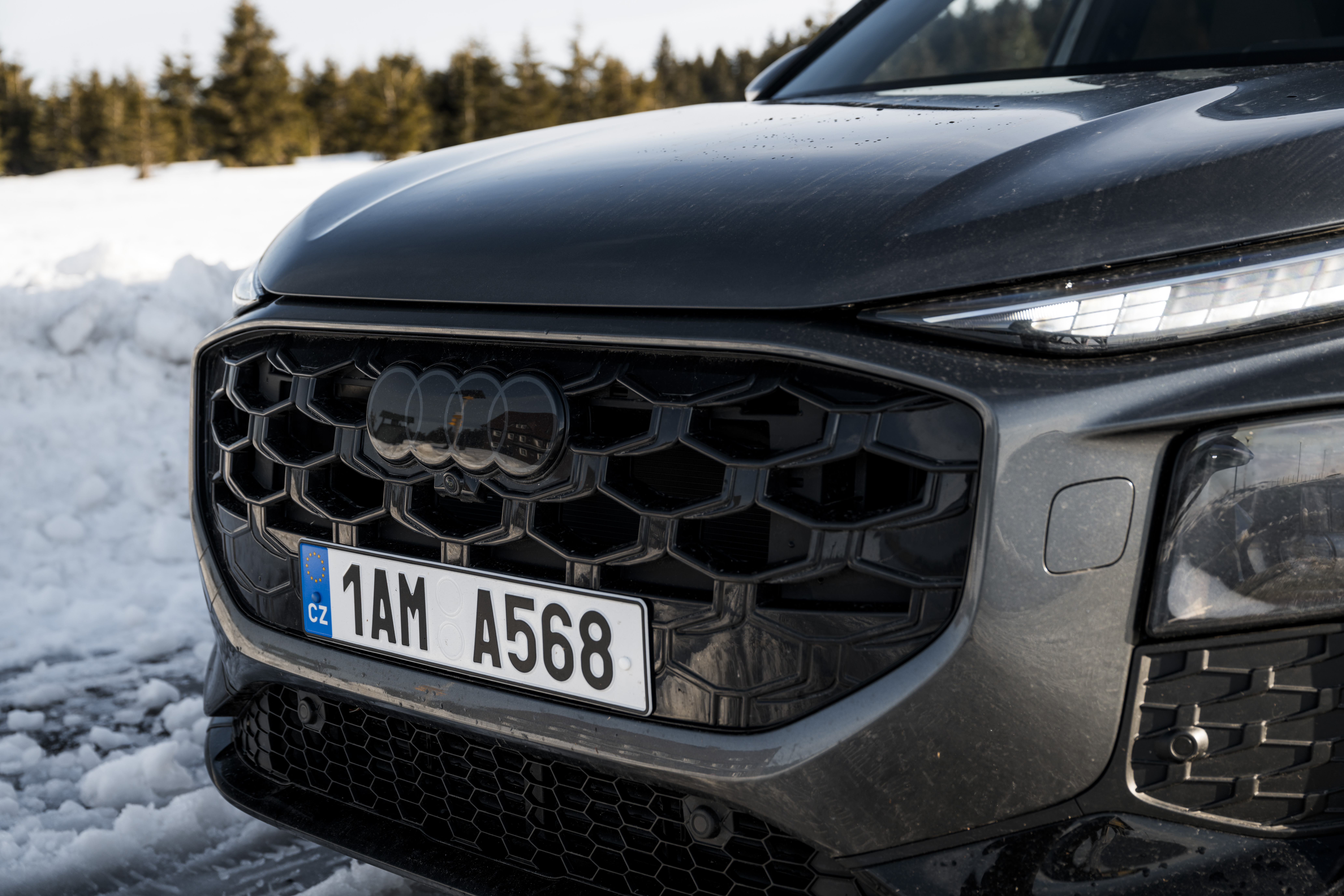
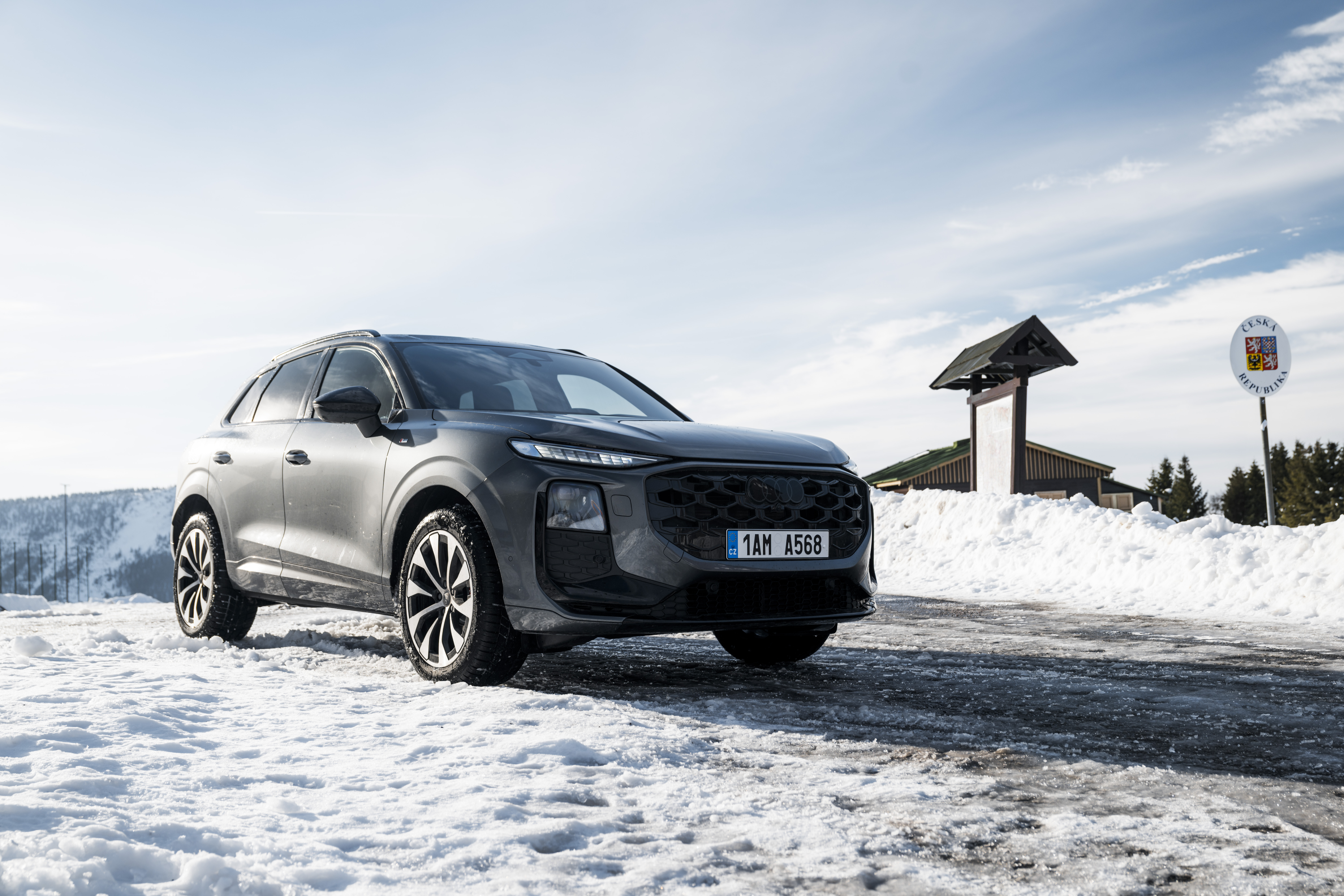
Visually, the new Audi Q3 is a smaller sibling of the Audi Q5 introduced last year. It features similarly muscular proportions, a wide grille with bold framing, narrow headlights, and significantly fewer chrome elements, replaced by black accents. As before, there are two body styles: the classic SUV and the sportier SUV-coupé Sportback. Everything is simply scaled down—while the Q5 measures 4,717 mm in length, the Q3 is 4,531 mm long, slightly more than before. The wheelbase remains largely unchanged at 2,681 mm. The Sportback has a differently shaped rear end and is 29 mm lower than the standard SUV.
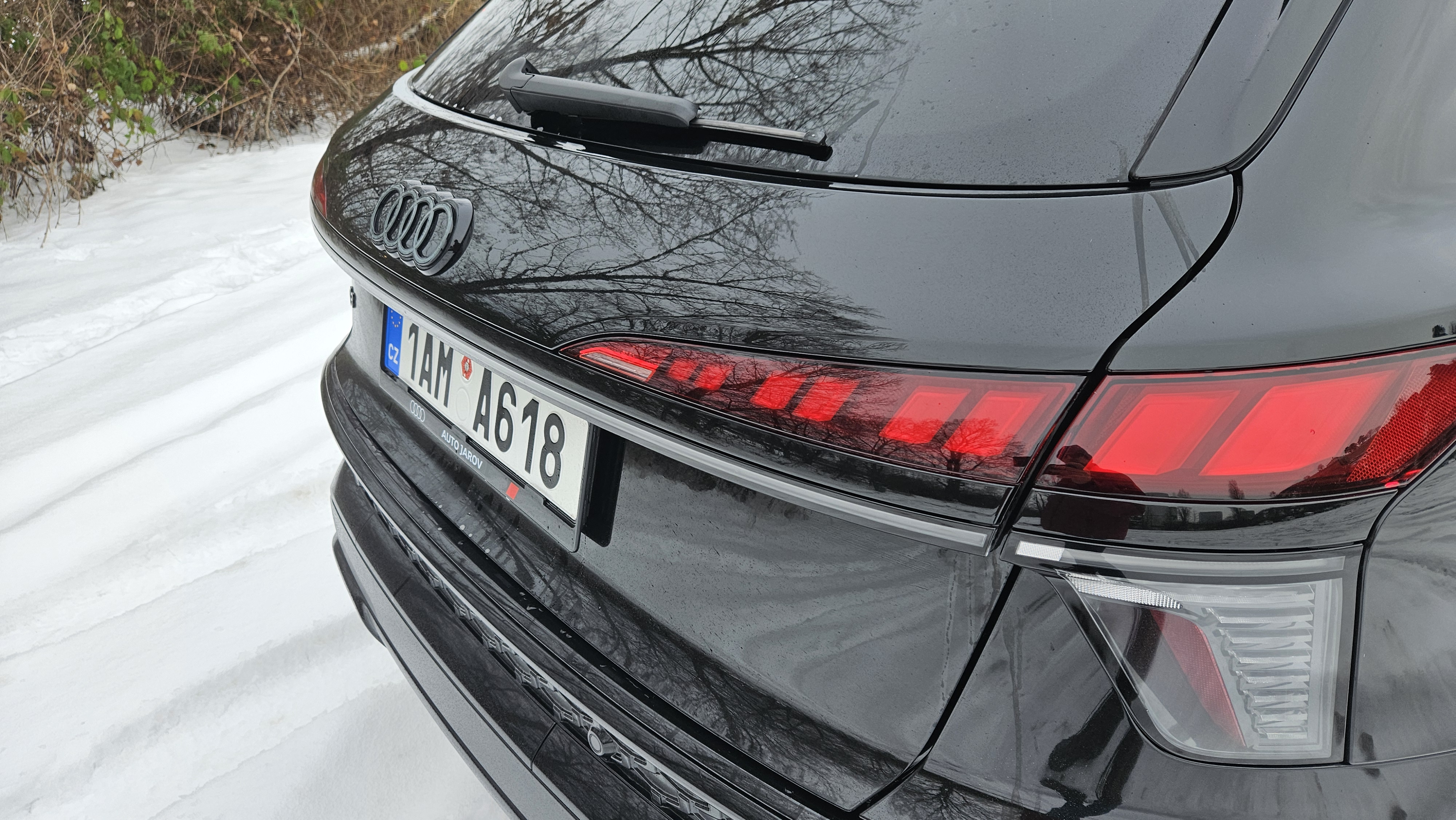
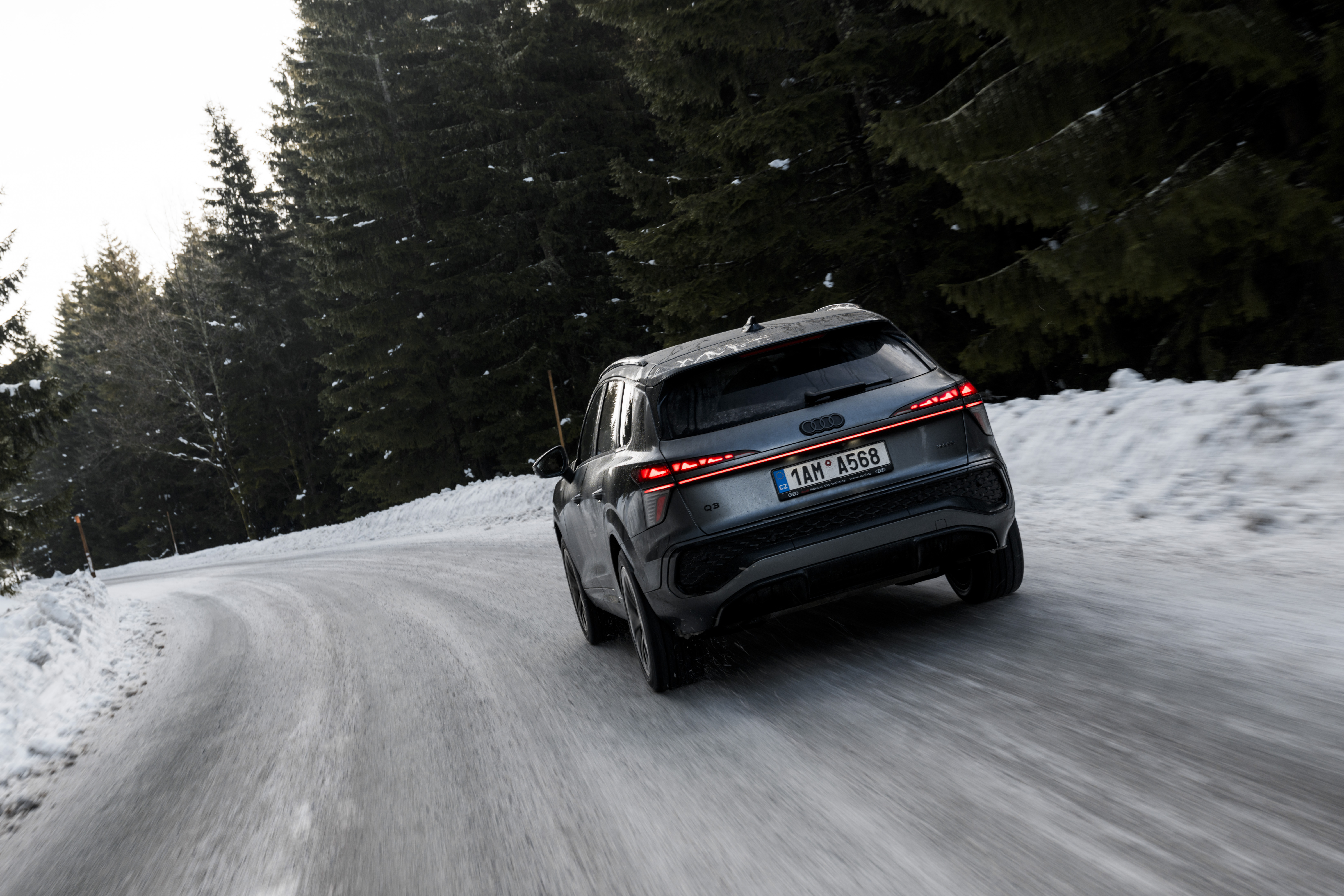
Audi highlights the completely new lighting technology in the Q3. For the first time, digital Matrix LED headlights are available. Each 13-mm-wide module contains 25,600 micro LED diodes, allowing not only excellent illumination and glare-free high beams but also light animations that can warn of icy roads or vehicles in the blind spot. At the rear, optional OLED taillights with 36 segments are available for another CZK 30,000, offering improved brightness and various animations.
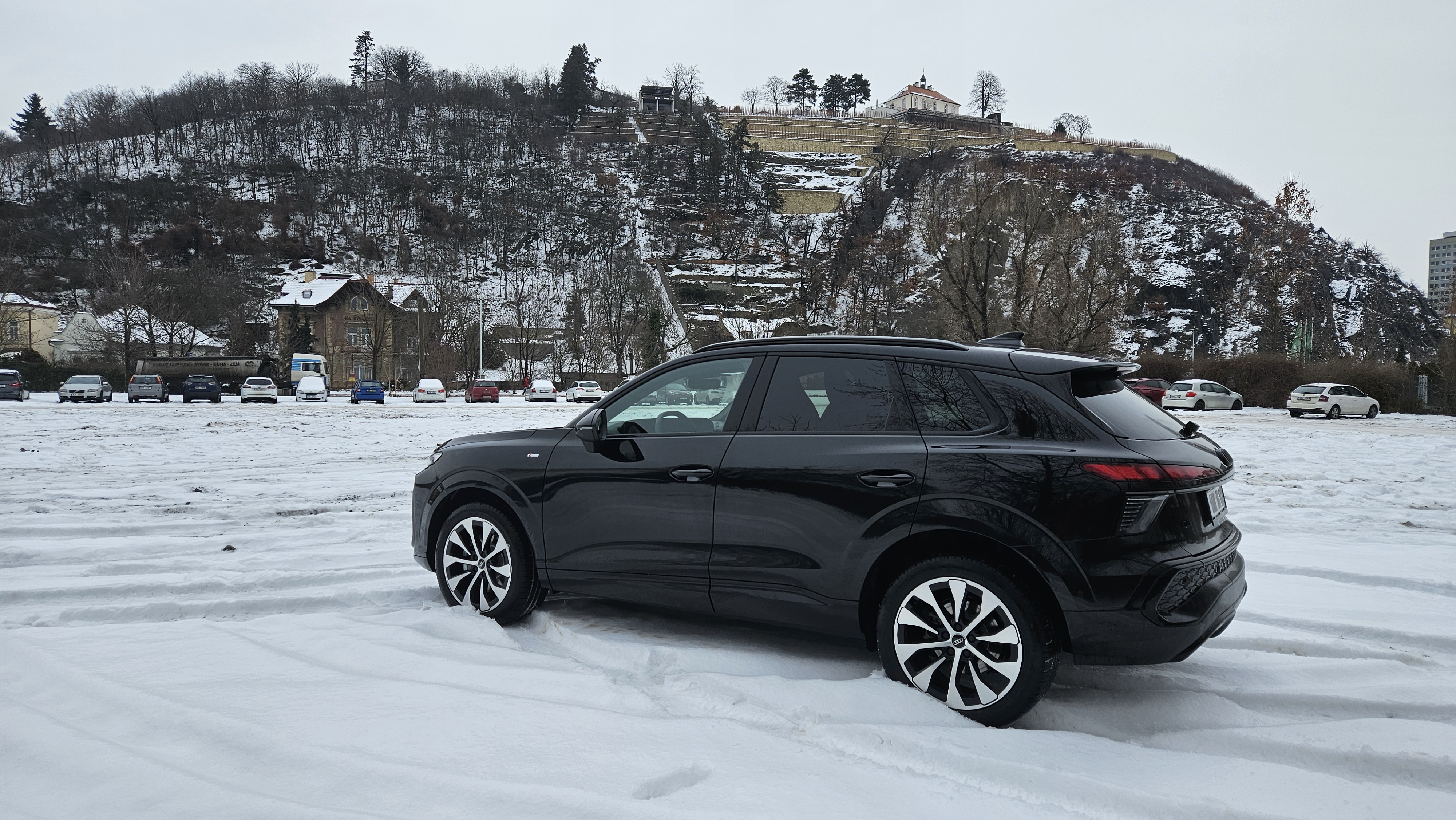
Although the Q3 is 20 cm shorter than the Q5, its boot capacity is only slightly smaller. The Q5 SUV offers 520 liters (515 liters for the Sportback), while the Q3 provides 488 liters for both combustion-engine body styles. The rear seats are sliding, and when moved fully forward with upright backrests, cargo space increases to 575 liters—though the previous generation could reach up to 675 liters. The plug-in hybrid version offers only 375 liters. Towing capacity also differs: combustion versions can tow up to 2.1 tonnes, while the plug-in hybrid is limited to 1.4 tonnes. Maximum tow-ball load is 90 kg.
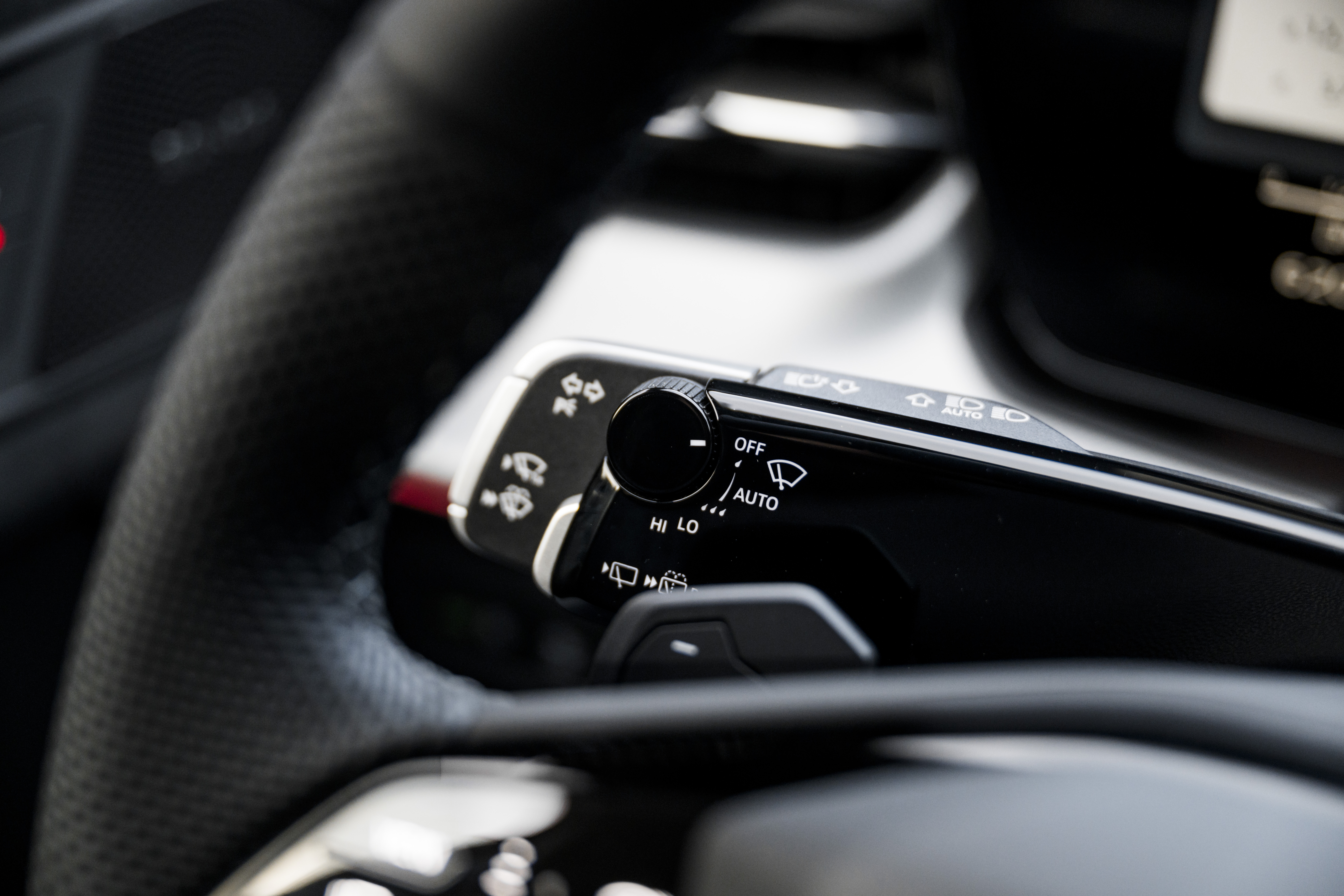
While the lighting features are noticeable mainly at night, another change is felt constantly: the brand-new steering-wheel stalk system makes its debut in the Q3. The right stalk controls the automatic transmission—not via a rotary selector as in other VW Group models, but by moving it up and down, which feels more natural. The left stalk now handles all remaining functions previously split between two stalks. Its design and operation are new and visually unusual.
The stalk is quite wide and looks like two overlapping levers at first glance. The part closer to the wheel is fixed, while the outer section moves up and down to operate the indicators. Other controls allow easy adjustment of lights and wipers, which uniquely have a small rotary wheel at the top of the stalk. It looks complicated at first, but once automatic wipers are activated, everything becomes intuitive within minutes.
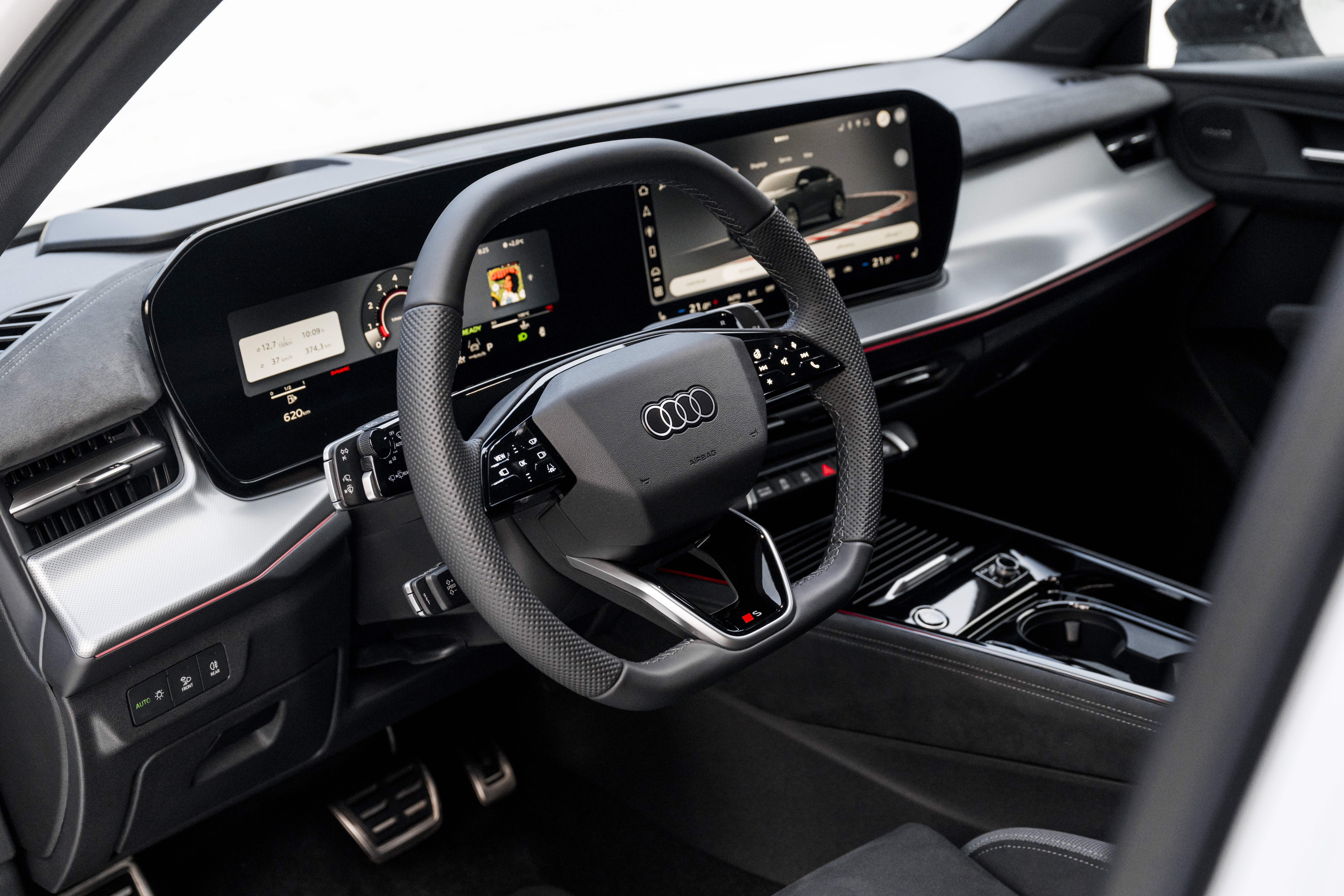
The dashboard represents peak modernity, dominated by the so-called digital stage: an 11.9-inch digital instrument cluster and a 12.8-inch central touchscreen merged into one curved surface. The system runs on Android Automotive with Audi’s own interface and graphics, and everything works clearly and quickly. With the gear selector moved next to the steering wheel, the center console now offers more storage space, including two cupholders and a cooled wireless charging compartment with 15W output. There are also two USB-C ports at the front and two for rear passengers.
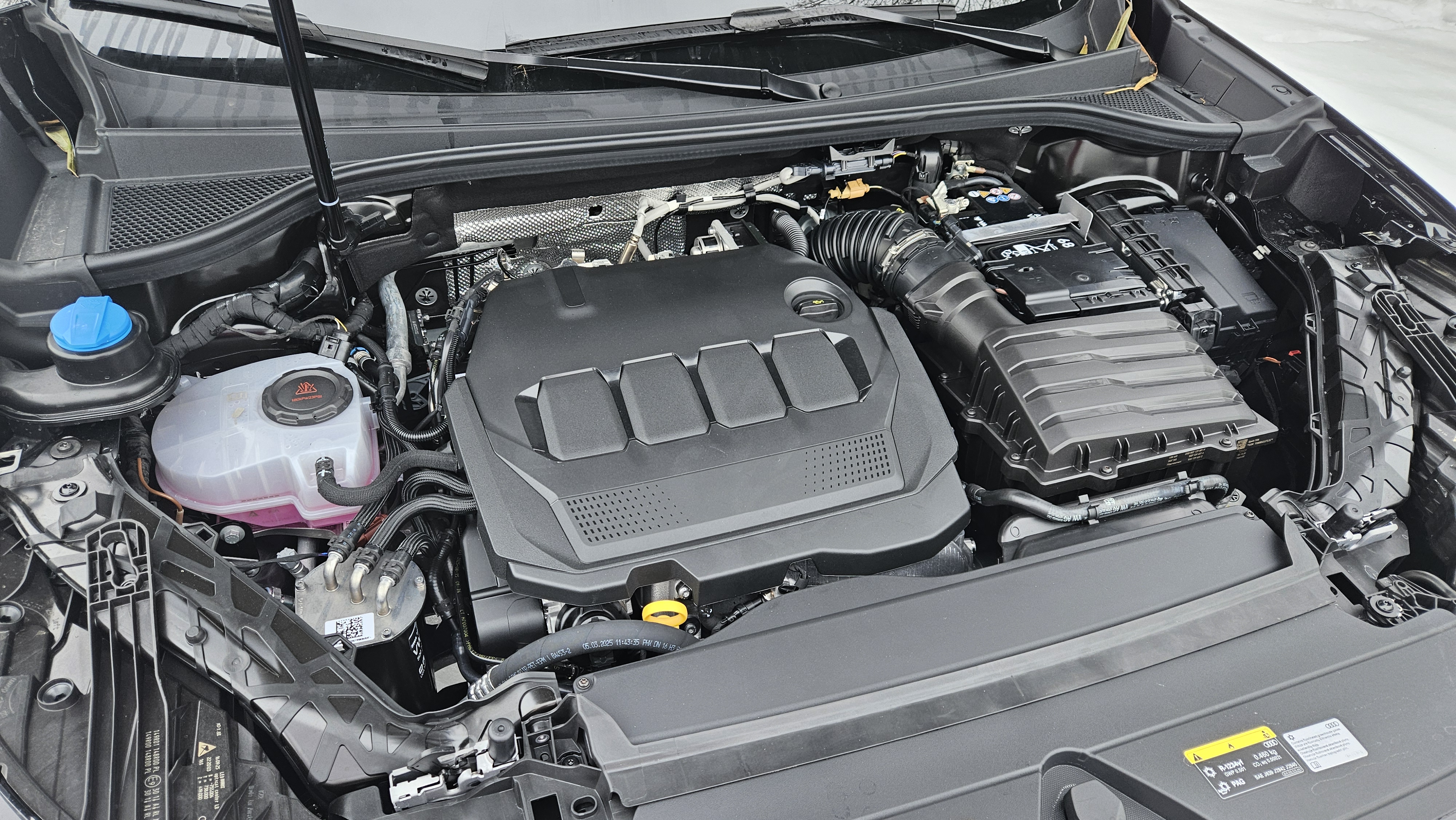
Powertrain options still include petrol and diesel engines. The base engine is a 1.5 TFSI petrol unit producing 110 kW. Above it sits the 2.0 TFSI with outputs of 150 kW and 195 kW. Diesel is represented by the well-known 2.0 TDI with 110 kW. The two weakest engines are available only with front-wheel drive, while the more powerful versions come exclusively with quattro all-wheel drive. New to the range is the plug-in hybrid, branded e-hybrid by Audi, offering a system output of 200 kW and front-wheel drive only. Thanks to a large battery with 19.7 kWh of usable capacity, Audi promises a purely electric range of up to 119 km. Charging is possible at up to 50 kW, which seems unnecessary for a plug-in hybrid.
Each engine suits a different type of customer. The base 1.5 TFSI petrol engine impresses with fuel consumption between 6 and 7.5 liters and the lowest price. Calm drivers will appreciate the 2.0 TDI diesel, capable of 5.5–6 liters per 100 km. More dynamic drivers will prefer the two petrol 2.0-liter options. And those with access to home charging from surplus solar energy—but who don’t want to be limited by charging on long trips—will find the plug-in hybrid appealing, especially since it is priced lower than the less powerful petrol 2.0 TFSI versions. These prices apply to the SUV body style.
I spent most of my time with the front-wheel-drive 2.0-liter turbodiesel. Although diesel sales continue to decline, this drivetrain still makes a lot of sense in an SUV—especially when engineered by the Volkswagen Group. The 110 kW output is more than sufficient, delivering smooth performance with enough punch when needed. Excellent sound insulation keeps the engine almost unnoticed, and real-world consumption around 6 liters deserves praise.
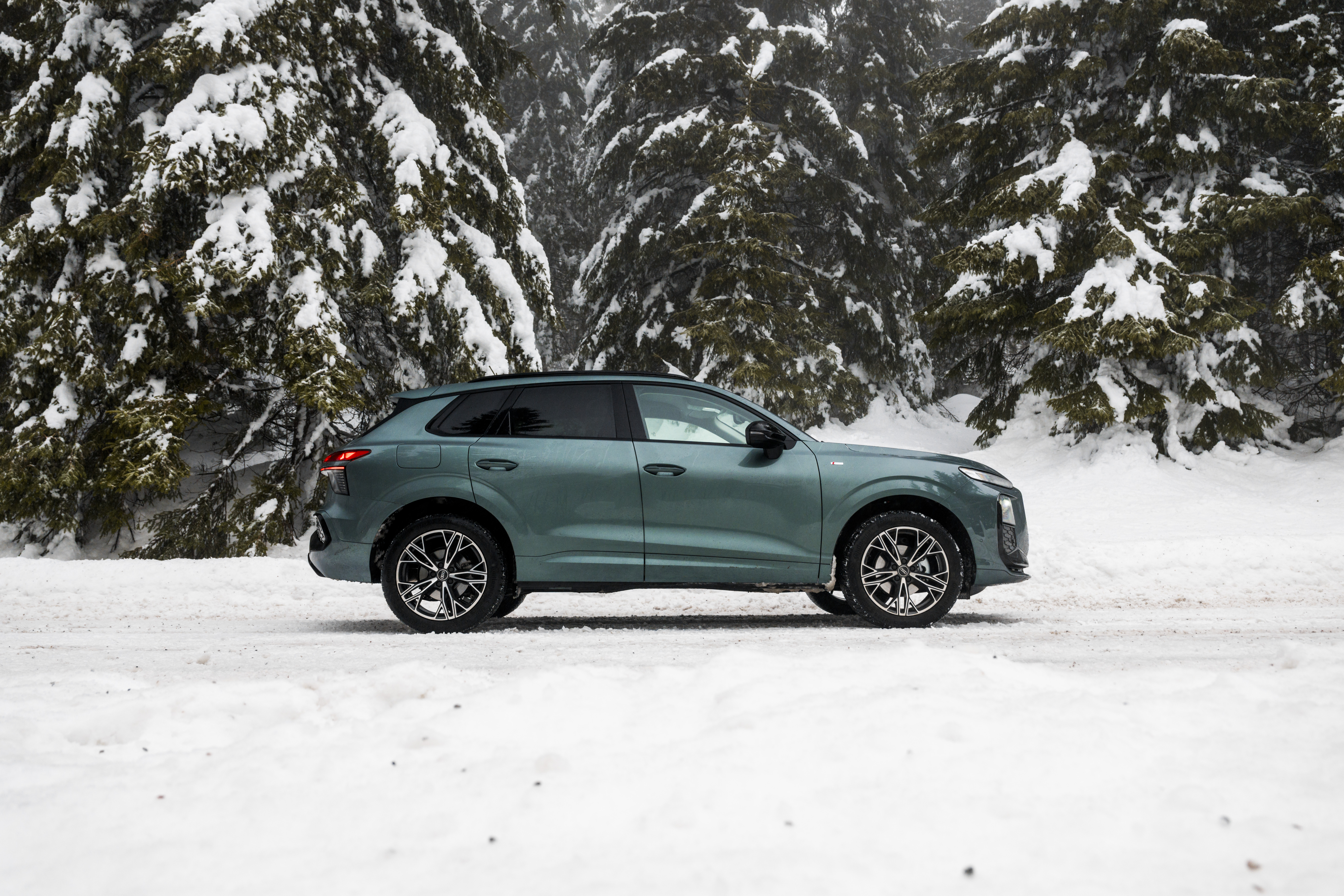
The 1.5 TFSI petrol engine with the same output offers a very similar overall impression, not only in performance but also, surprisingly, in fuel consumption. This is especially true during relaxed driving; under more dynamic conditions, the petrol engine’s consumption rises more noticeably, and the automatic transmission shifts more frequently, occasionally seeming unsure of itself. The 195 kW petrol engine is designed for truly sporty drivers, offering 0–100 km/h acceleration in 5.7 seconds and a top speed of 240 km/h—but also an average consumption of 9 liters or more. Audi’s pricing strategy clearly favors the plug-in hybrid, which we tested only briefly. Although it offers the highest output at 200 kW, its higher weight means acceleration is a full second slower than the most powerful petrol version, and the extra mass is noticeable in handling.
The chassis has also been updated. In addition to the standard and lowered sport suspension, Audi now offers electronically controlled dampers that continuously respond to road conditions and driving situations. The DCC+ system has a wider adjustment range than before, making the difference between firm highway settings and comfortable rough-road mode much more pronounced. Progressive steering ensures easy control both while driving and during parking or urban maneuvers. Overall, the driving dynamics are exceptionally well balanced. For light off-road use, there is an Offroad driving mode, although it mainly adjusts electronics, as ground clearance is not adjustable.
The Audi Q3 is undoubtedly a strong contender in the premium SUV segment. It offers almost as much cargo space as the larger Q5, excellent driving dynamics, and a wide range of powertrains. It will be interesting to see how sales evolve. Pricing emphasis is clearly placed on the plug-in hybrid, which delivers more power for less money.
Martin Šidlák
Foto: Daniel Martinek, Martin Šidlák

