2026 Peugeot 3008 hybrid review | Just three cylinders enough?
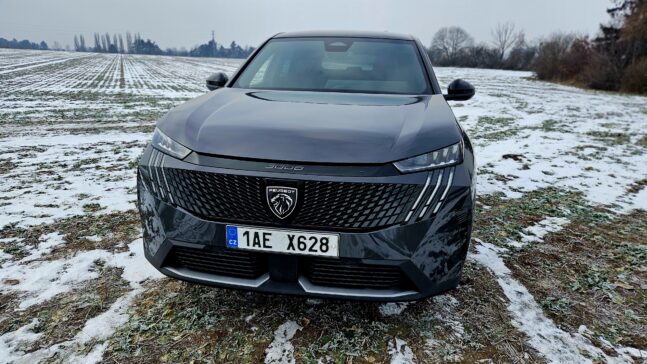
2026 Peugeot 3008 hybrid review. The Peugeot 3008 can serve ideally as both a family and a company car. In its current generation it offers plenty of style and a comfortable chassis, but the range of powertrains is far from the widest. Alongside two electric versions and one plug-in hybrid, there is only a single non-plug-in variant. But are three cylinders under the bonnet really sufficient?
The situation across the entire Stellantis group is not easy. While Peugeot can still be considered a successful brand, the same cannot be said with complete peace of mind about all its corporate siblings.
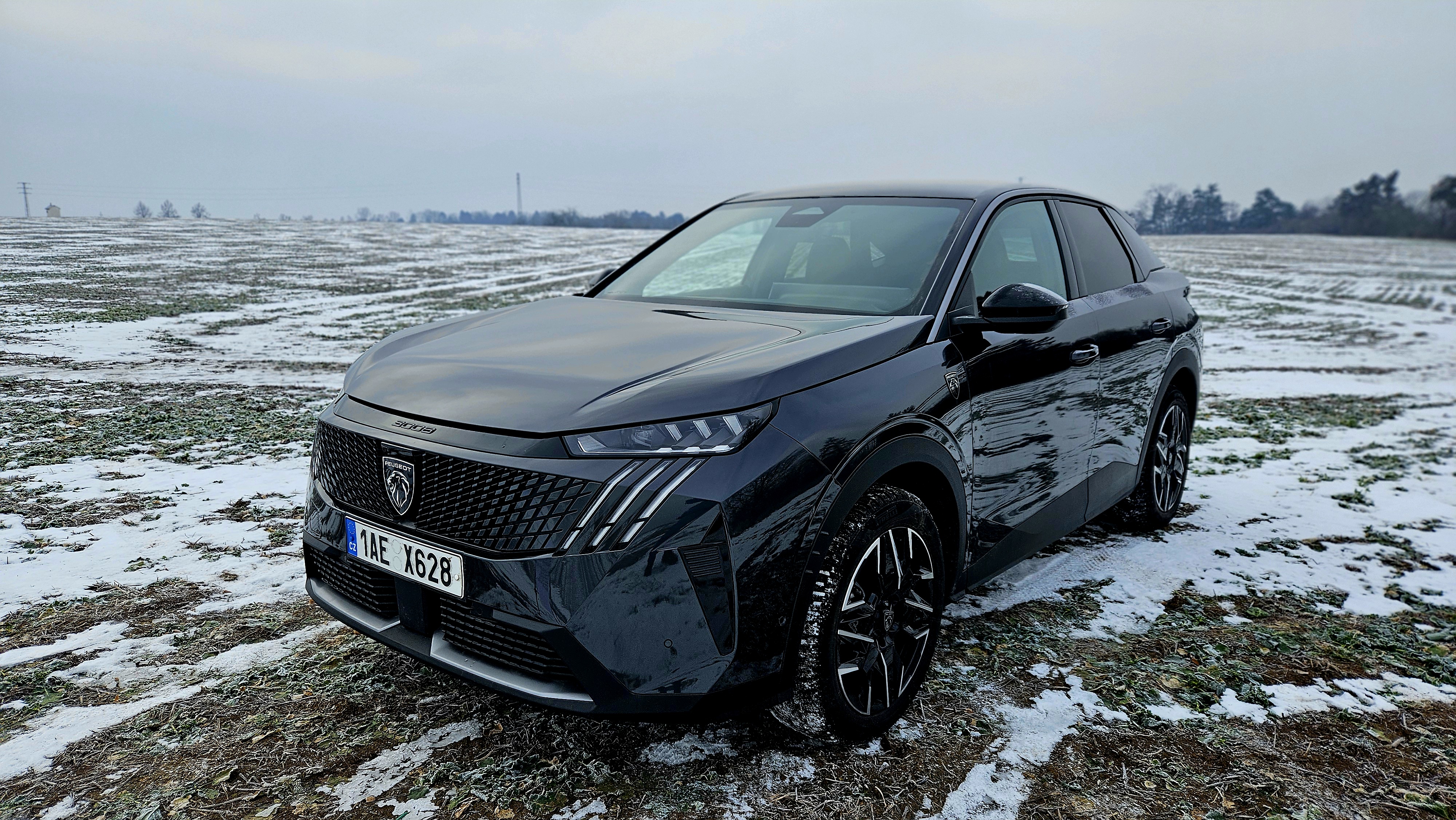
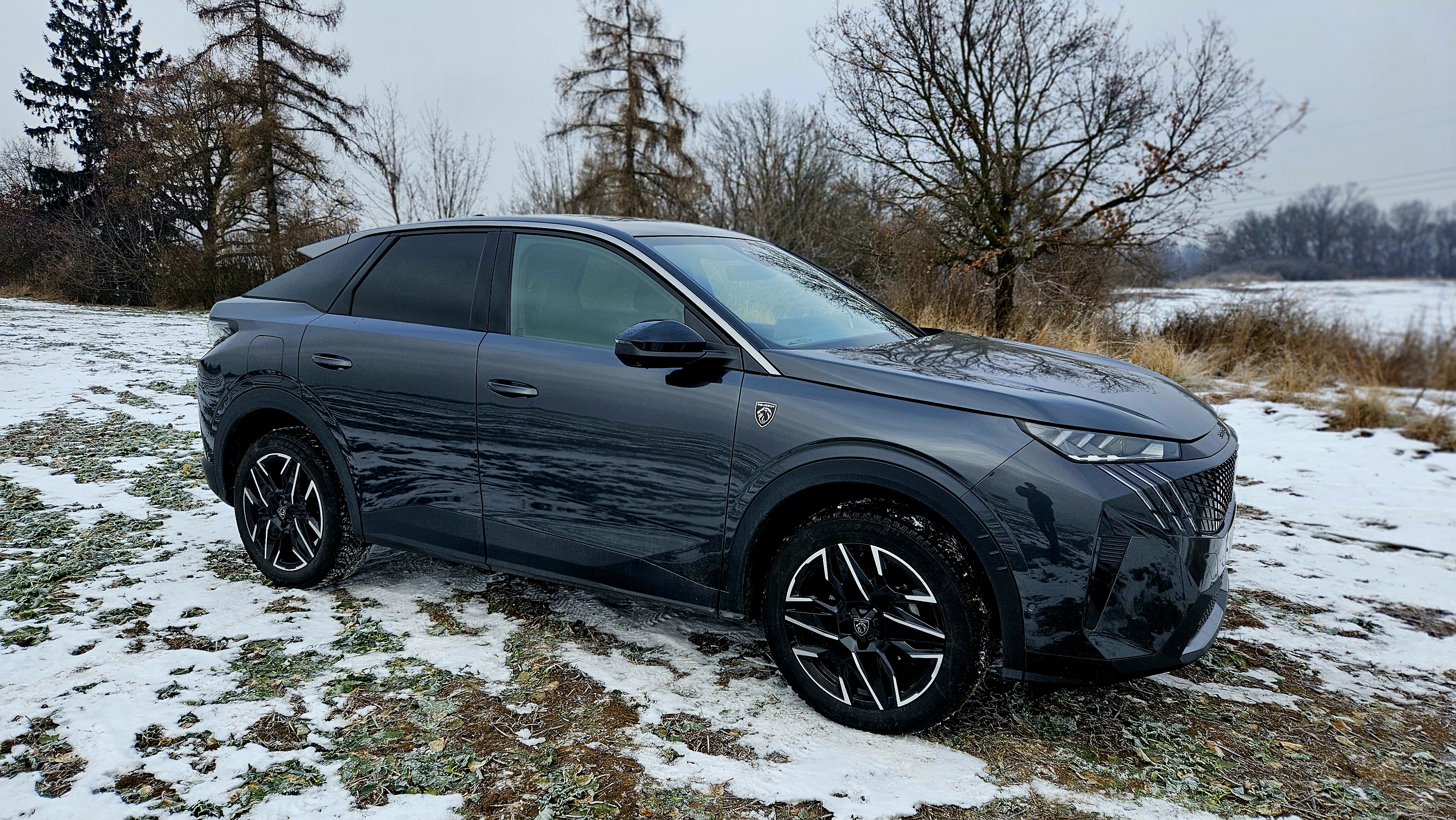
Peugeot has been steadily renewing its model lineup, and the compact SUV Peugeot 3008 recently received its third generation. In this iteration it tries to stand out in the highly competitive segment at first glance purely through its body shape — the traditional SUV has evolved into a sort of crossover in the SUV-coupé style. For a long time this was mainly the domain of premium cars, but Renault proved with the Arkana that it can appeal to customers even in lower segments.
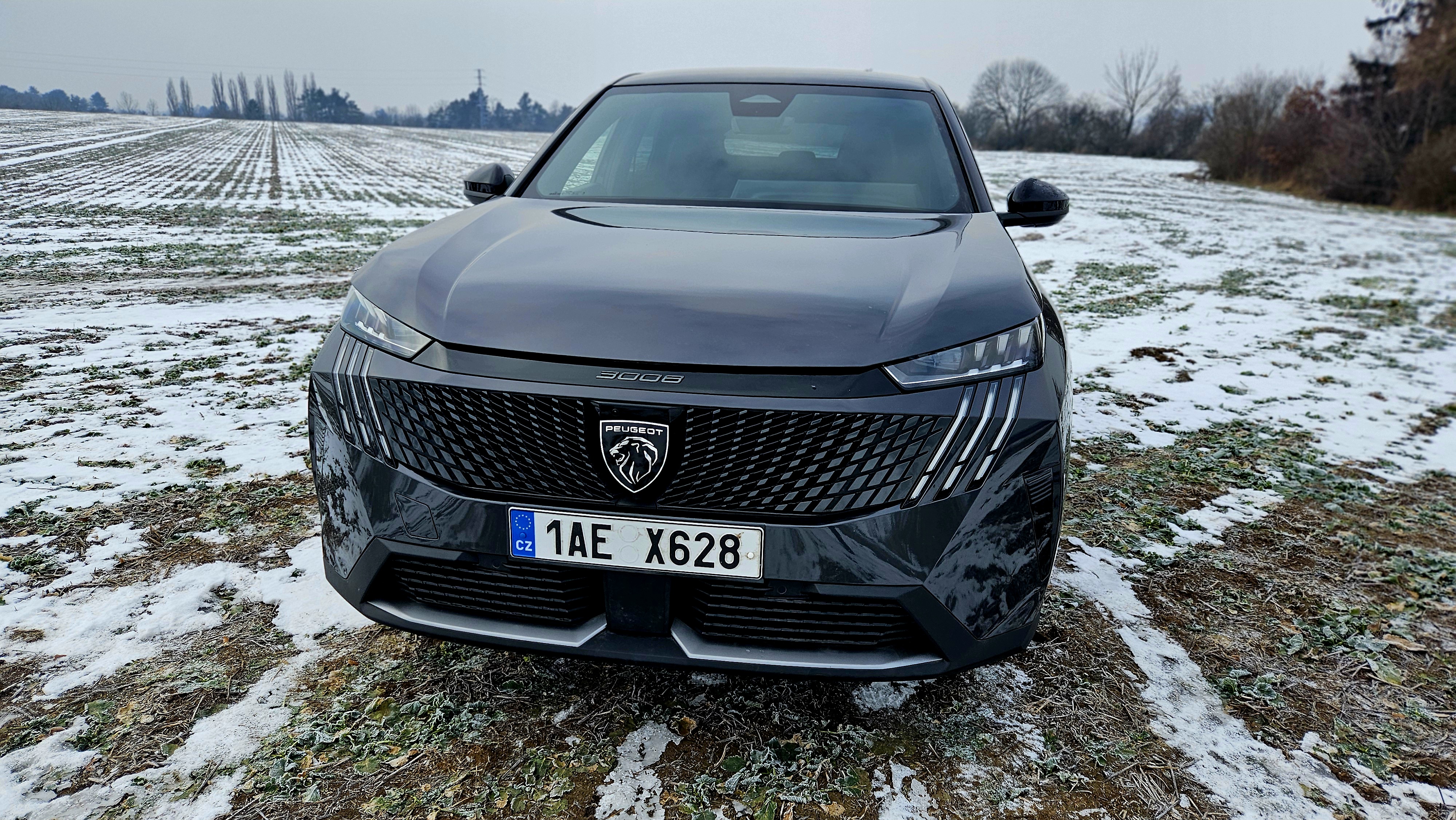
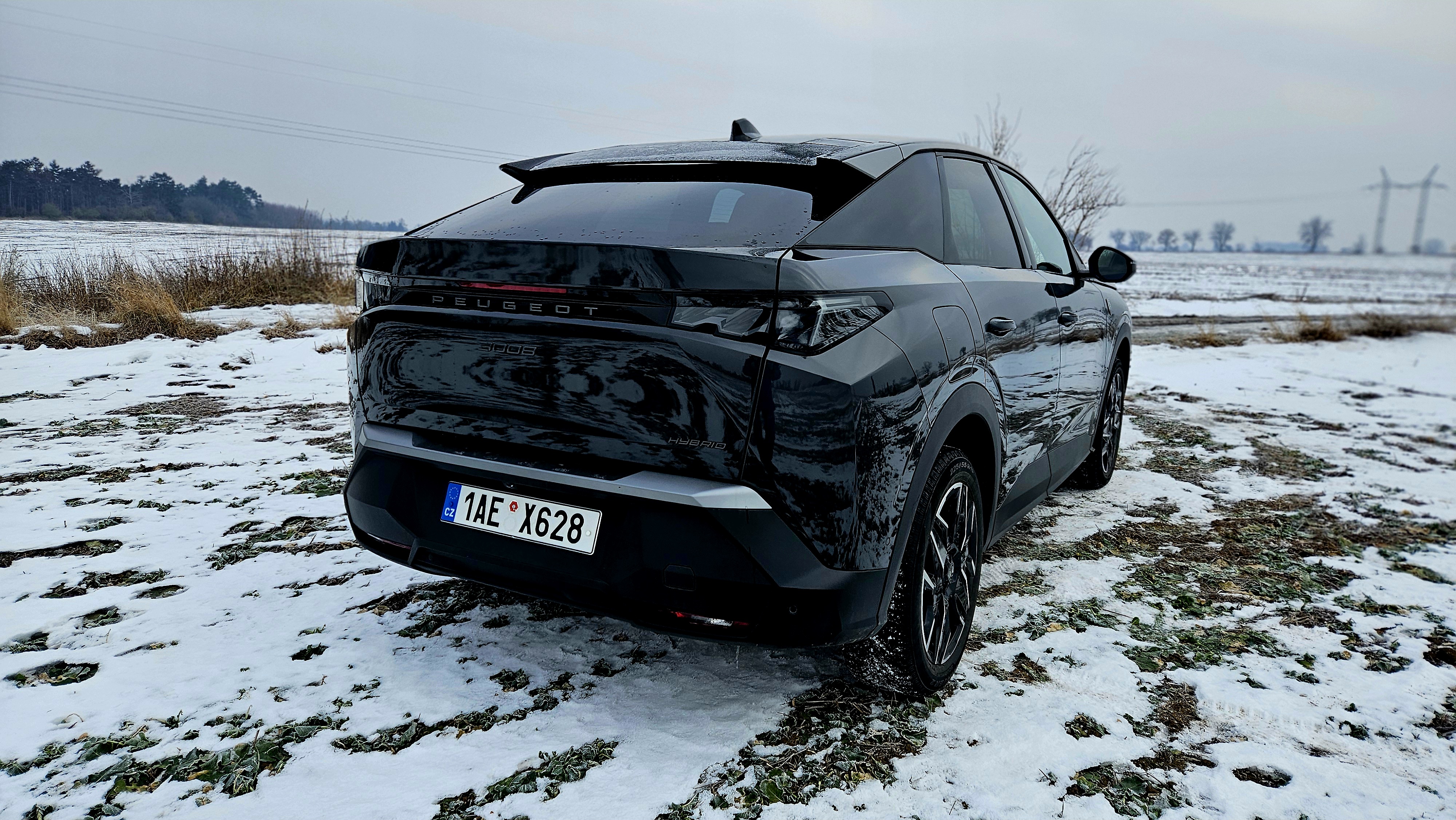
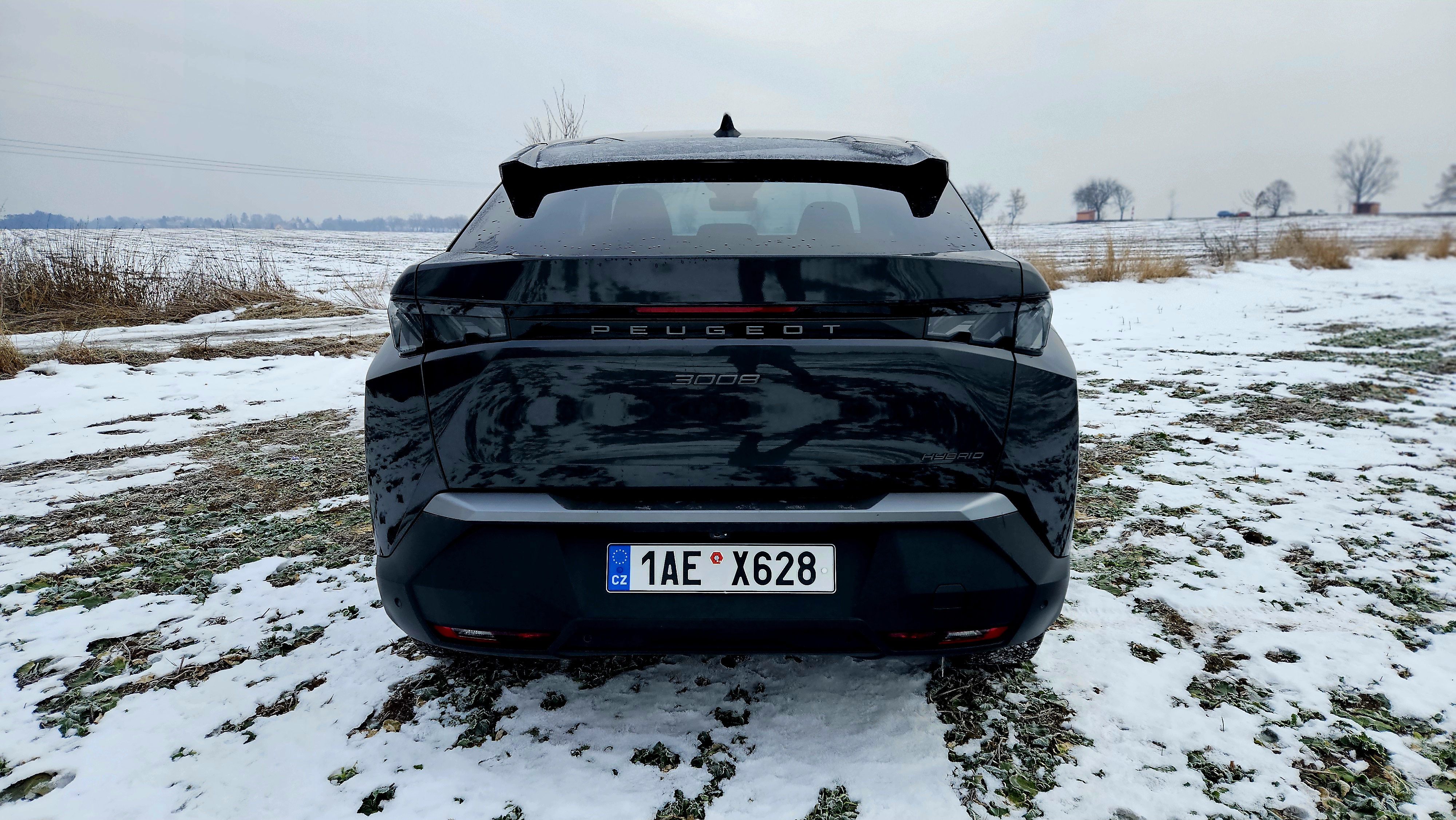
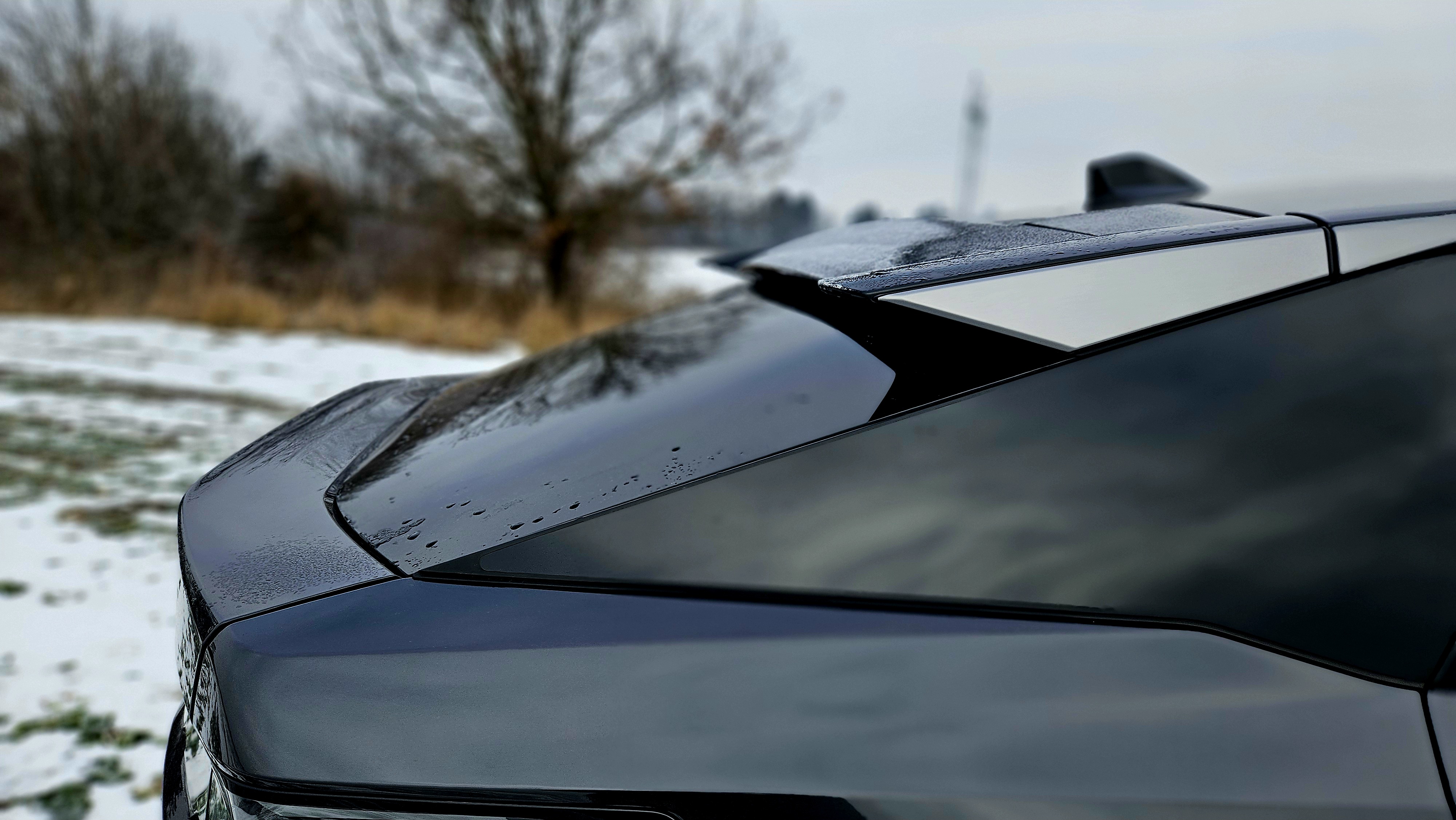
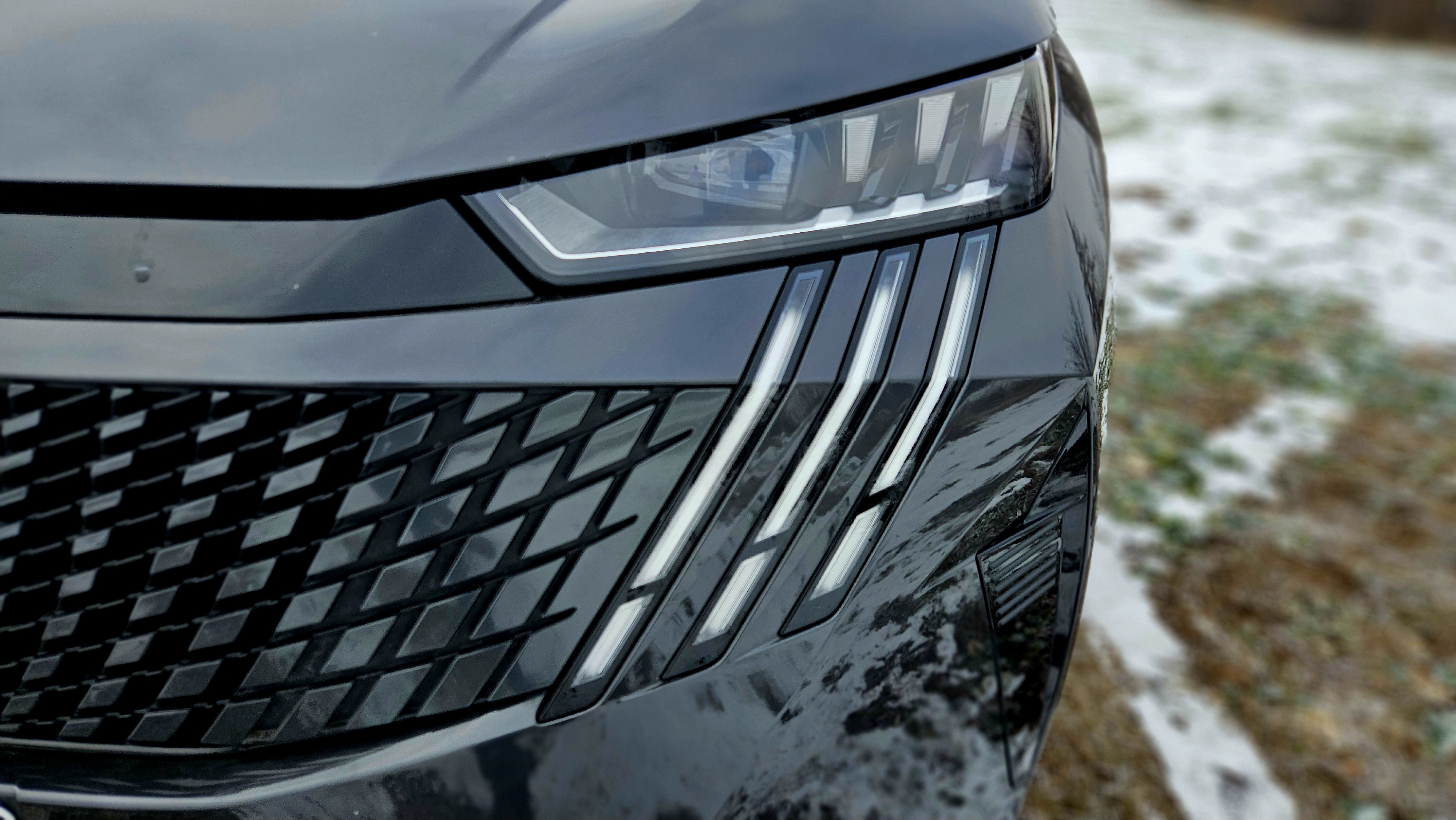
The new body lines stand out especially from the side, where the interestingly shaped rear end with a prominent spoiler catches the eye. The car also carries some traditional elements from other models in the brand — above all the trio of stylized LED daytime running light “claws” on each side of the front grille. However, judging by the first photos of the new 308 SW generation, it seems Peugeot is moving away from this LED signature. A similar trio of claws appears in the rear lights too, and in the highest trim levels even in the main front headlights, which feature LED pixel technology, adaptive automatic height adjustment, and matrix dipping for the high beams.
Review Peugeot 3008 hybrid 2026
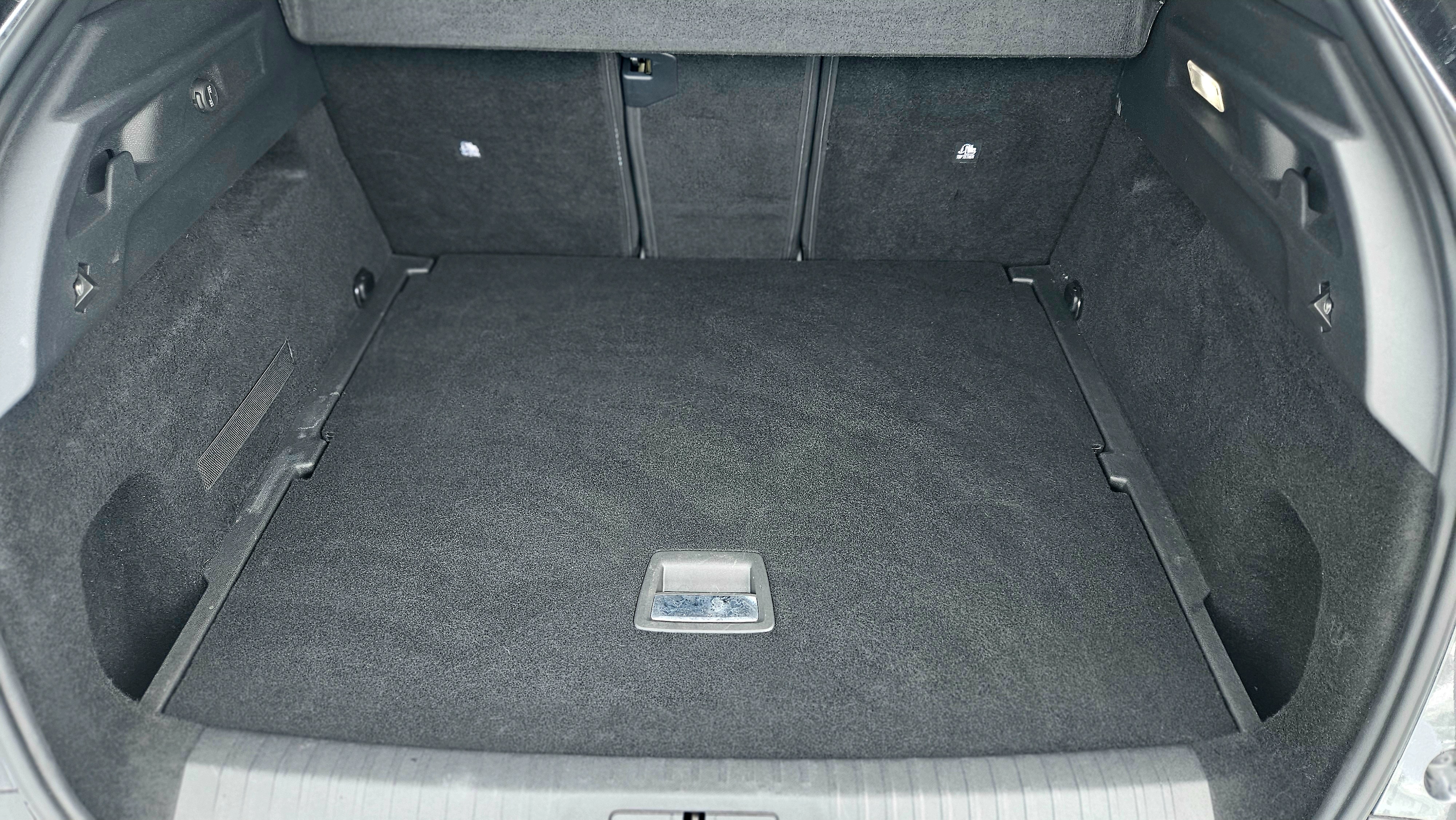
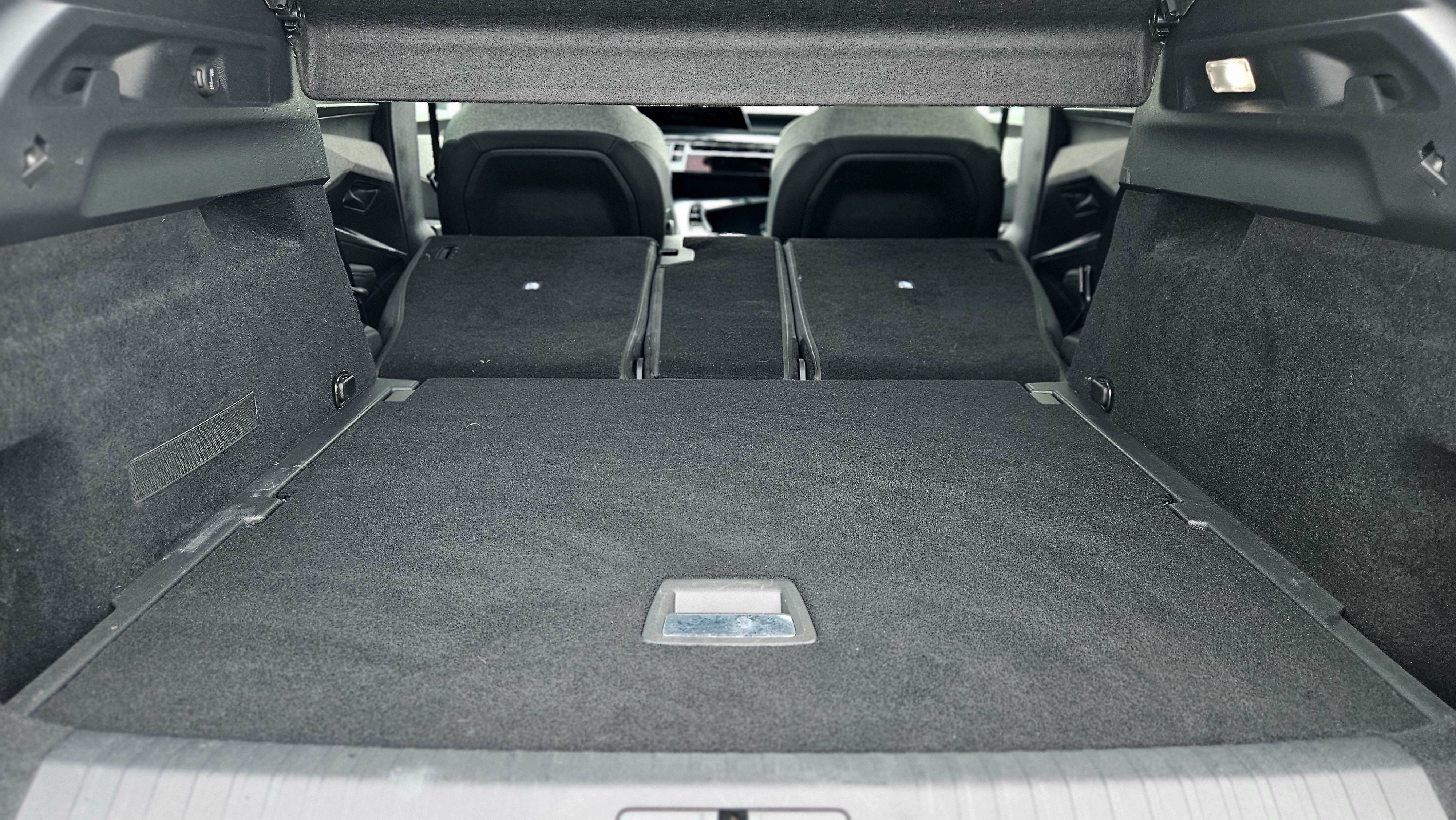
In its current generation the Peugeot 3008 has grown by 10 cm to 4.54 metres in length and by 6 cm to 2.74 metres in wheelbase. Boot capacity is a solid 520 litres across all powertrain versions — the same as the previous generation — though the coupé-like body shape inevitably takes a toll on practical usability when loading right up to the roof. Folding the rear seatbacks (split 40/20/40 as standard) increases volume to 1,480 litres, but a completely flat floor is not created. Under the double load floor there is one storage compartment, and bag hooks are present on the sides.
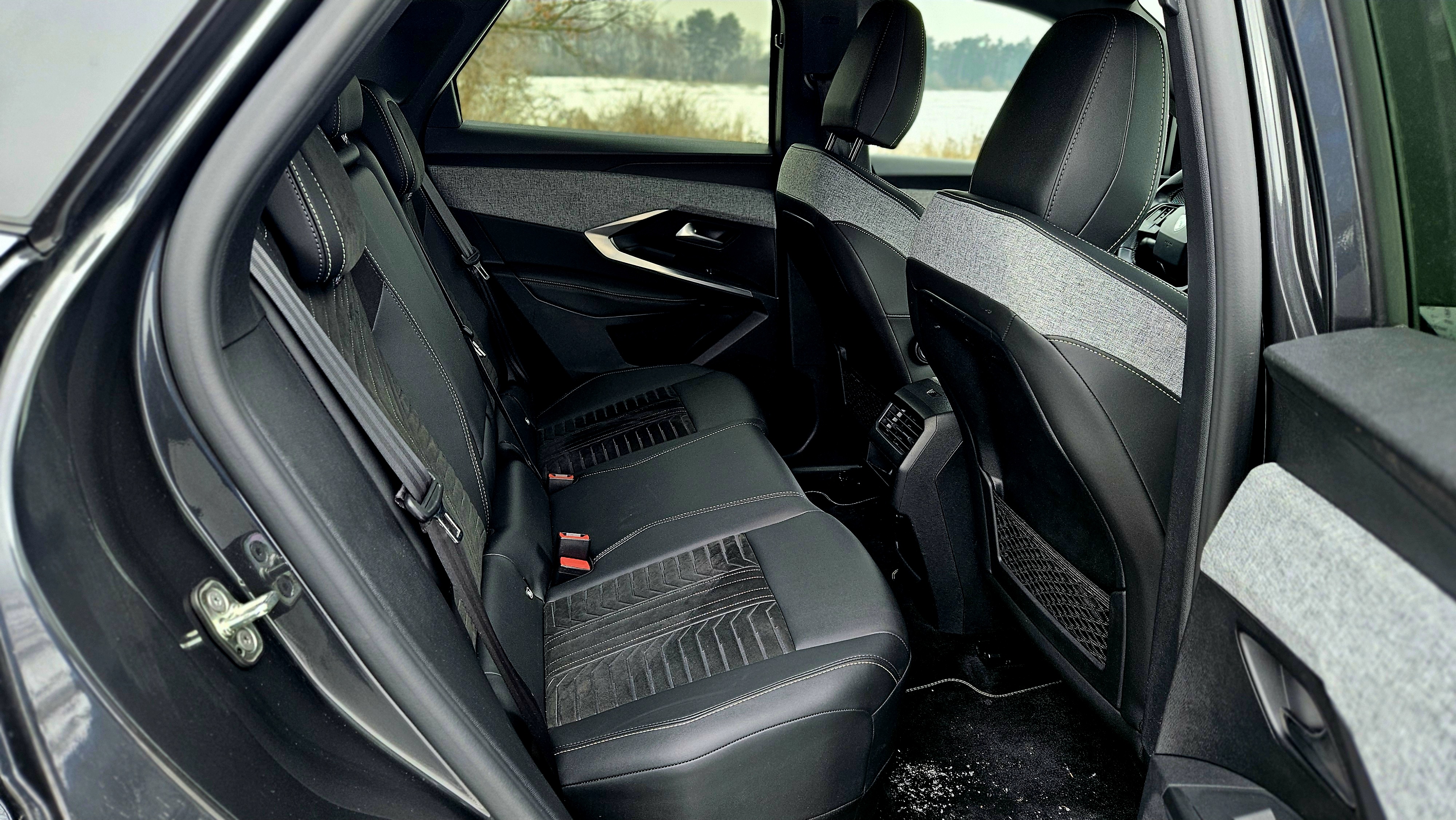
The rear-seat space is not bad either. While knee room is not overly generous (the manufacturer compensates by scooping out space in the rear of the front seats), the descending roofline does not significantly reduce headroom for passengers. An average-height person can sit comfortably here. Only the coupé-style rear limits the driver’s rearward view. One more thing to watch — there is no rear wiper on the back window.
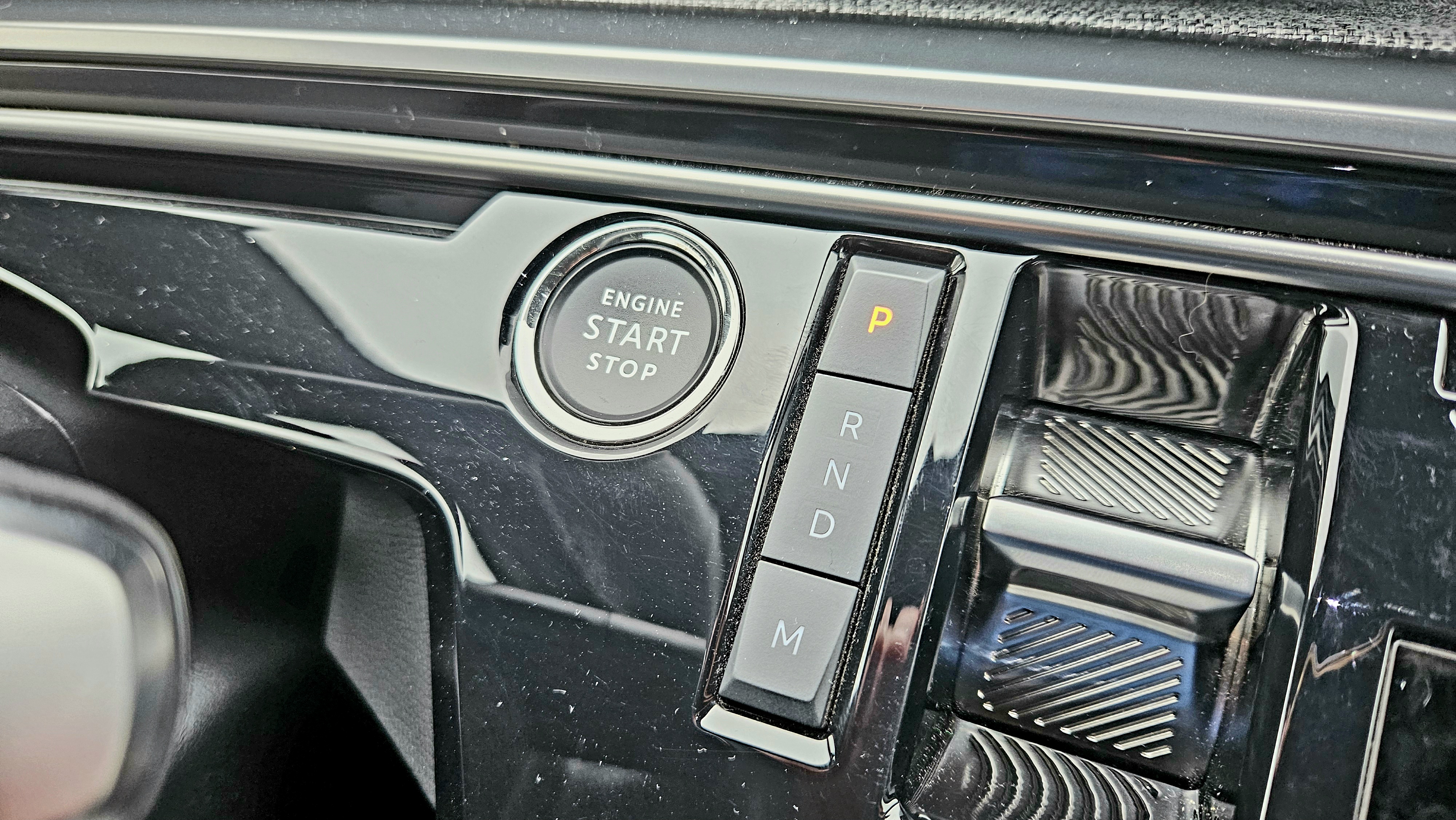
The interior has undergone a dramatic generational change. Some elements are functional, while others feel like change for the sake of change. One example is moving the automatic transmission selector from between the seats to the dashboard right of the steering wheel, next to the start button. This was not done to free up space (as Renault achieved by moving the selector to a stalk, creating a new storage area on the centre tunnel). In the 3008 the former selector position now houses the drive-mode selector, so no space was actually gained.
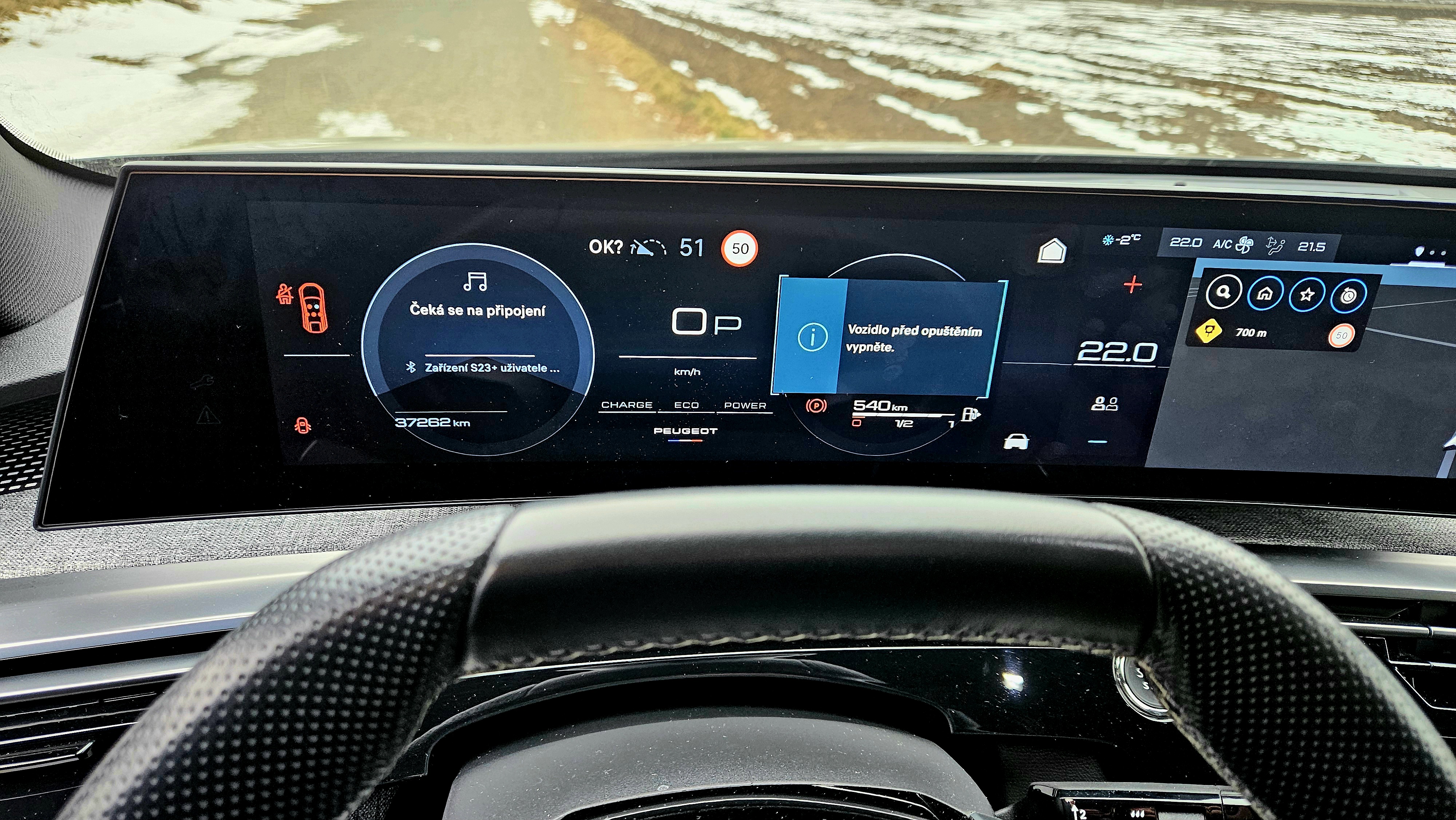
The dashboard looks impressive at first glance. Peugeot has kept its traditional recipe — small, low-mounted steering wheel and instruments positioned above the wheel rather than inside its rim — but now in base trim the whole is fused into one large curved 21-inch display that appears to float in space. In entry-level versions this is replaced by two adjacent 10-inch digital screens.
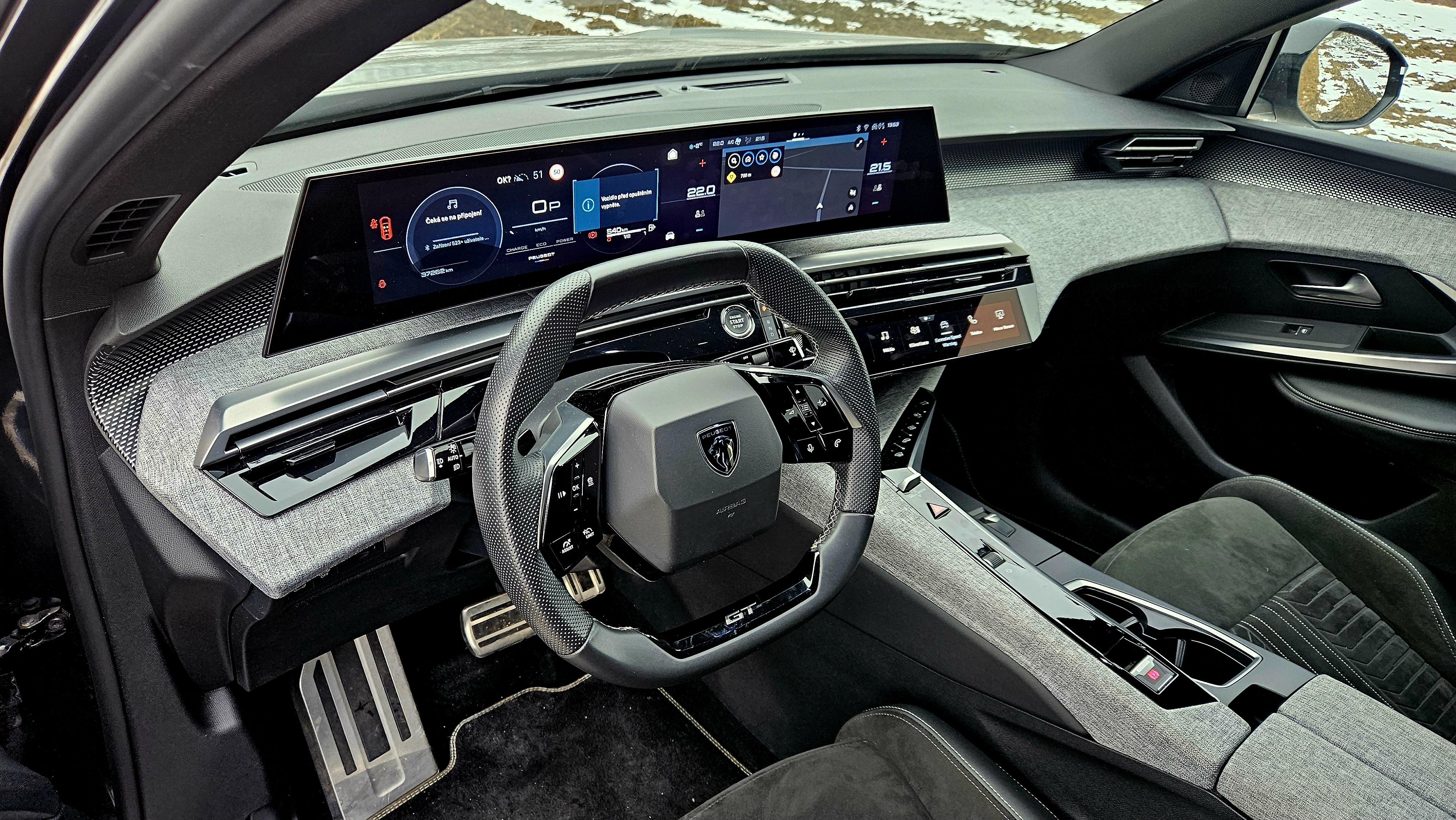
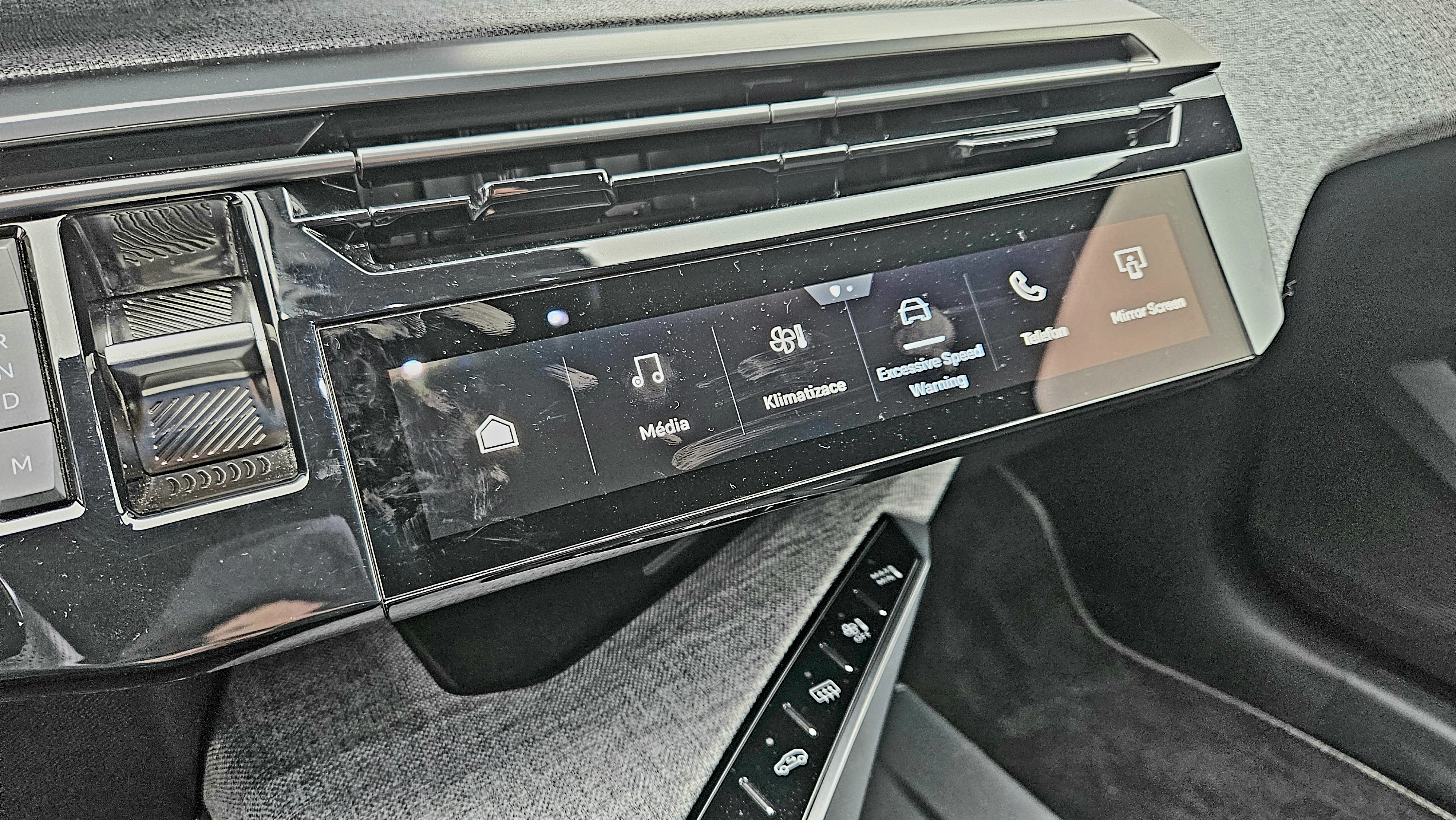
Digitisation is at a high level here, so most functions are controlled via the central touchscreen. Its responses are reasonably quick, though faster systems do exist. I was not particularly fond of the navigation map graphics, and I also had some trouble accurately hitting individual controls — I often had to repeat a tap to get the right spot with the right pressure.
Below the screen is a panel of programmable shortcut buttons where up to ten of the most frequently used functions can be assigned — down to details such as dialling a favourite number or navigating to a regularly visited destination. Underneath that is a wireless phone charging pad, though the system delivers only 15 W (by comparison, the Volkswagen Group currently fits 45 W charging in its newest models).
The current-generation Peugeot 3008 is the first model to use the Stellantis STLA Medium platform (now shared with many other models across Opel, Citroën and beyond). The platform was primarily designed for electric vehicles but can also accommodate petrol engines with hybrid technology — both plug-in and non-plug-in.Plug-in versions nevertheless clearly dominate the price list: two full-electric motors (157 kW and 170 kW), one plug-in hybrid, and only a single petrol unit sitting on the borderline between mild hybrid and full hybrid.
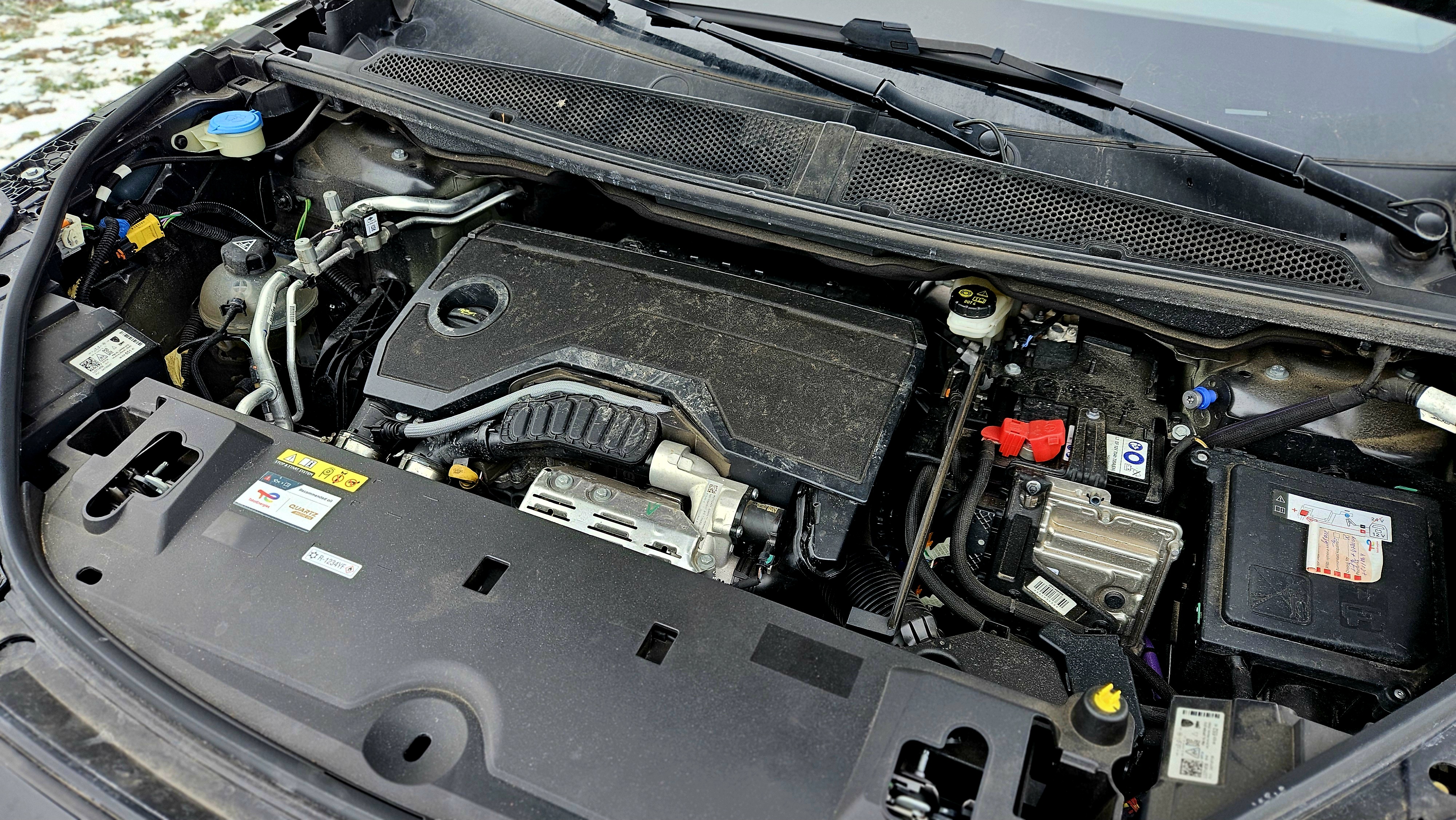
The hybrid fitted in our test car was originally launched as the Hybrid 136; it now appears in the price list as Hybrid 145. This does not mean a new, more powerful version — the manufacturer simply started including the auxiliary electric motor’s contribution, bringing the total system output to 145 hp. At its core is a 100 kW (originally quoted 136 hp) three-cylinder petrol engine. Compared with the same unit in the previous generation, around 40 % of components are new, and the most criticised part — the timing belt — has been replaced by a chain. A new six-speed dual-clutch automatic transmission is also fitted.
Three-cylinder engines have their fans and critics. In my view, for a car of this size that spends most of its time in town and suburban driving, its parameters are perfectly adequate. It has been designed precisely for that kind of use. The electric assistance helps a lot during stop-and-go traffic; according to the manufacturer the car can run purely on electricity in the city for up to 50 % of the time — even though the usable battery capacity is only 0.432 kWh and the electric motor itself is rated at just 15.6 kW. That is reflected in commendably low consumption: the official figure is 5.4 l/100 km, and an average driver will not stray far from it in urban conditions. You just need to get used to the fairly strong, non-adjustable regenerative braking — coasting to a red light on overrun is virtually impossible, as the car often stops before you expect.
The car should not be afraid of the motorway either — its top speed is 201 km/h. There, of course, you can no longer rely on electric assistance and consumption rises to somewhere between 7–8 l/100 km. Acceleration to 100 km/h takes 10.2 seconds. The new automatic shifts smoothly but occasionally shows slight hesitation after pressing the accelerator, so it really suits calmer drivers. Those drivers will also appreciate the good sound insulation, which felt better to me than in the related Citroën C5 Aircross, for instance. Only occasionally is a faint whine from the electric motor audible, and the petrol engine makes itself clearly heard under full throttle. But you no longer get the former constant three-cylinder buzz and vibration.
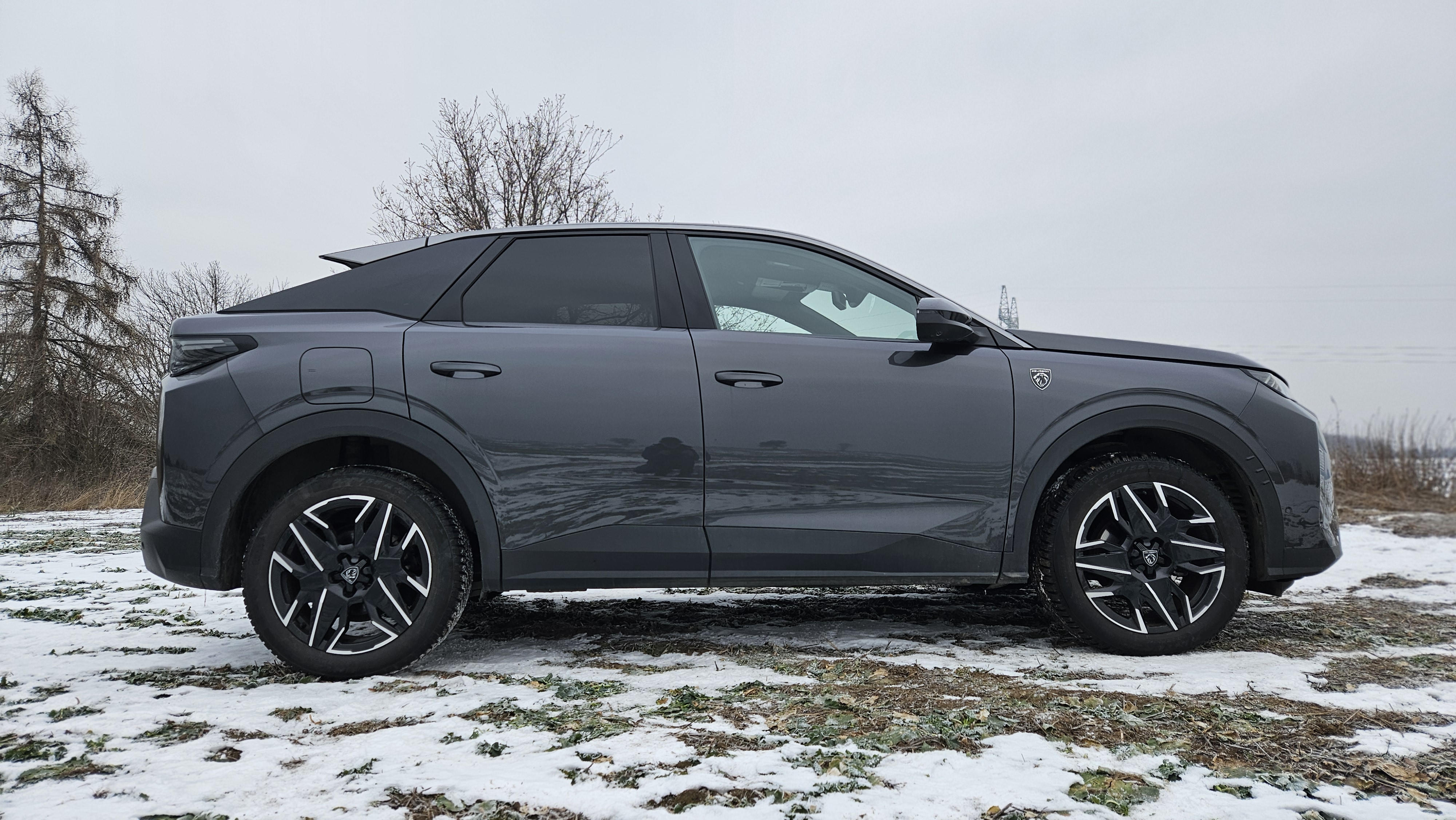
Even in its new form the Peugeot 3008 still feels a little ponderous when driven, but at relaxed paces it is pleasant to steer and sufficiently comfortable. Although the hybrid version has a simple rear twist-beam axle (unlike the multi-link setup in the electric version), it copes honourably with various kinds of bumps. Larger ones are absorbed without harsh thumps — more with a comfortable heave. On long undulations the car sometimes feels a bit nervous and bounces unnecessarily. The steering is not perfect but offers reasonable feedback, and thanks to the small wheel it feels fairly direct, almost sporty. It does not lean excessively in corners and handles well overall. All in all, the driving characteristics are entirely sufficient for family travel; Peugeot is not aiming for any higher sporting ambitions with this model.
Martin Šidlák