
Renault Clio hybrid 2026 review: Bigger and more economical than the Fabia
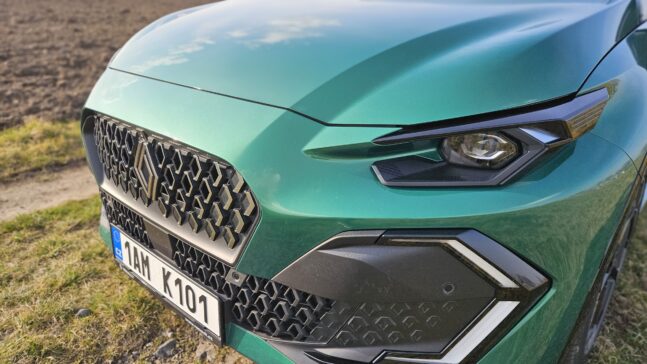
Renault, like many other carmakers, offers a wide range of SUVs. Yet its most successful model isn’t an SUV, but one of the last remaining classic hatchbacks. The Renault Clio has recently gone on sale in its sixth generation.
The Renault Clio is the best-selling passenger car in Europe if you include its van version (which isn’t available in all markets). Otherwise, the top spot goes to another model from the same group — the Dacia Sandero.Over 35 years, more than 17 million units have been sold in 120 countries. To put that into perspective: more than 1,000 cars leave the factory gates every single day, even though the fifth generation was already at the end of its life cycle last year. So Renault faced a tough challenge — how to keep customers loyal in an era of never-ending SUV popularity.
The company bet primarily on a sporty, expressive design. The sixth generation has grown by 67 mm to 4.12 metres, making it 8 mm longer than the Škoda Fabia. Its length is now encroaching on the compact class. That’s no surprise — after the combustion-engine Mégane was discontinued, Renault no longer offers a classic hatchback in that segment, only SUVs such as the Arkana and Symbioz, plus the Mégane Grand Coupé sedan (which disappeared from the range once before but returned in mid-2024).
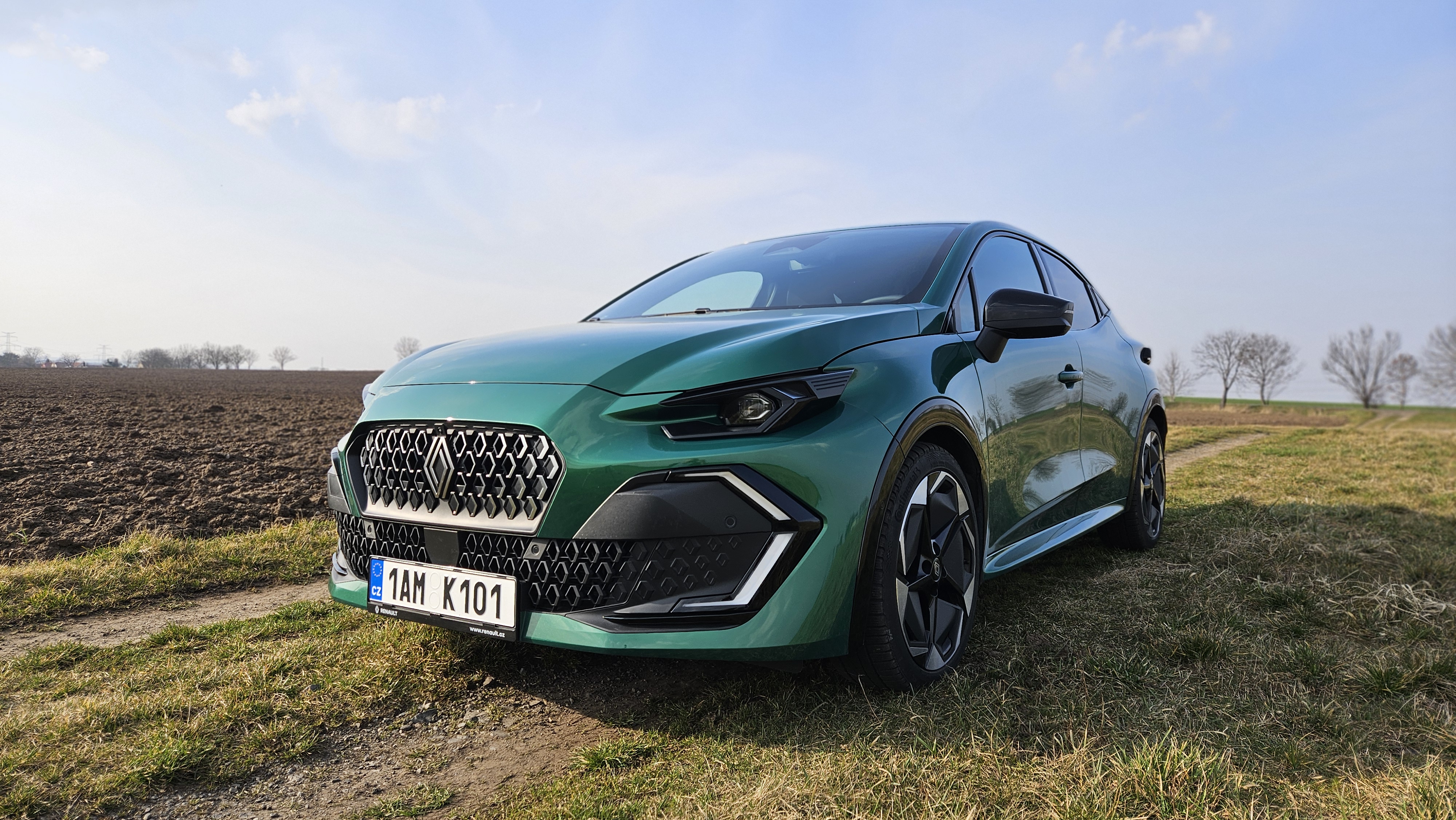
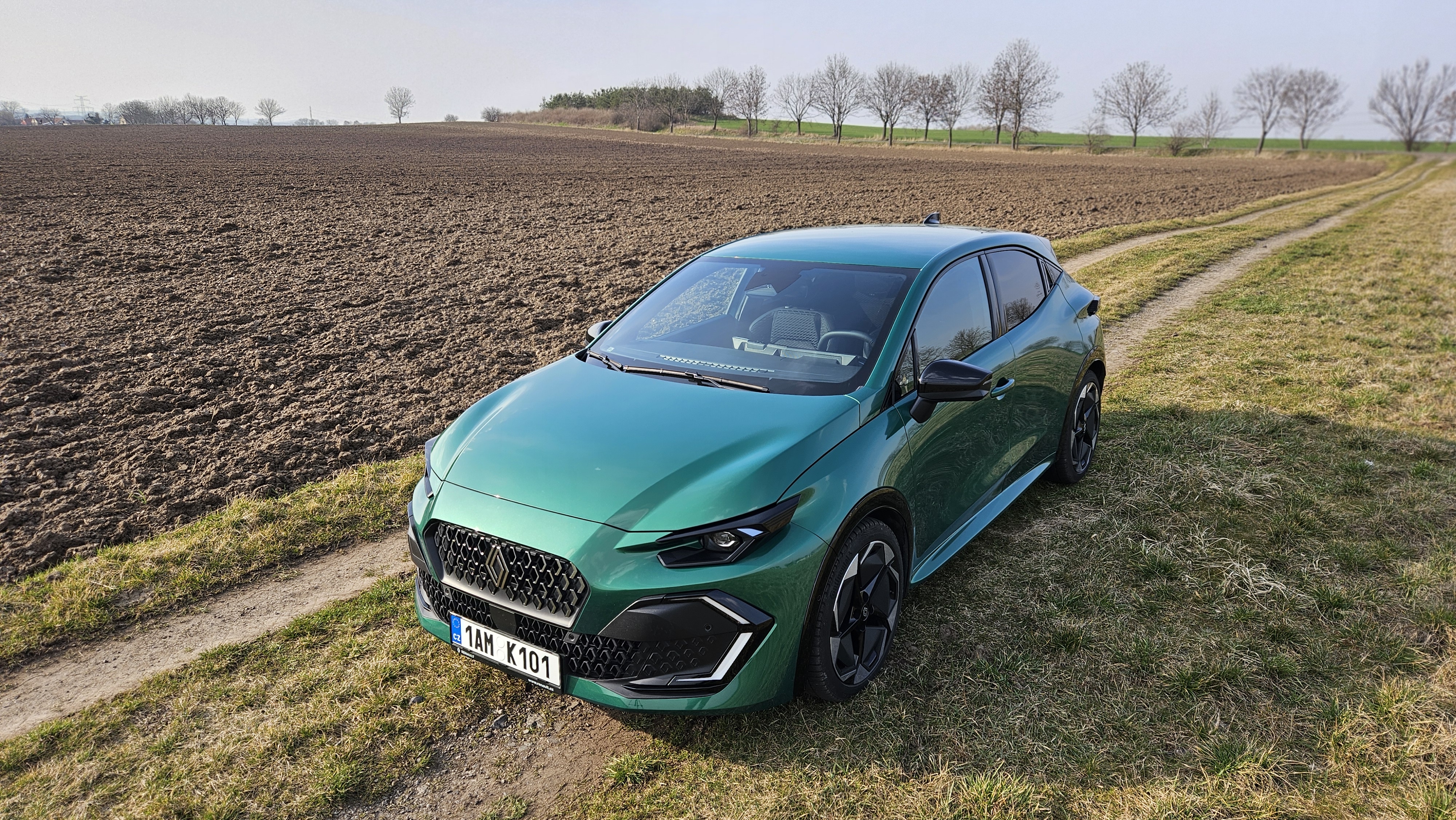
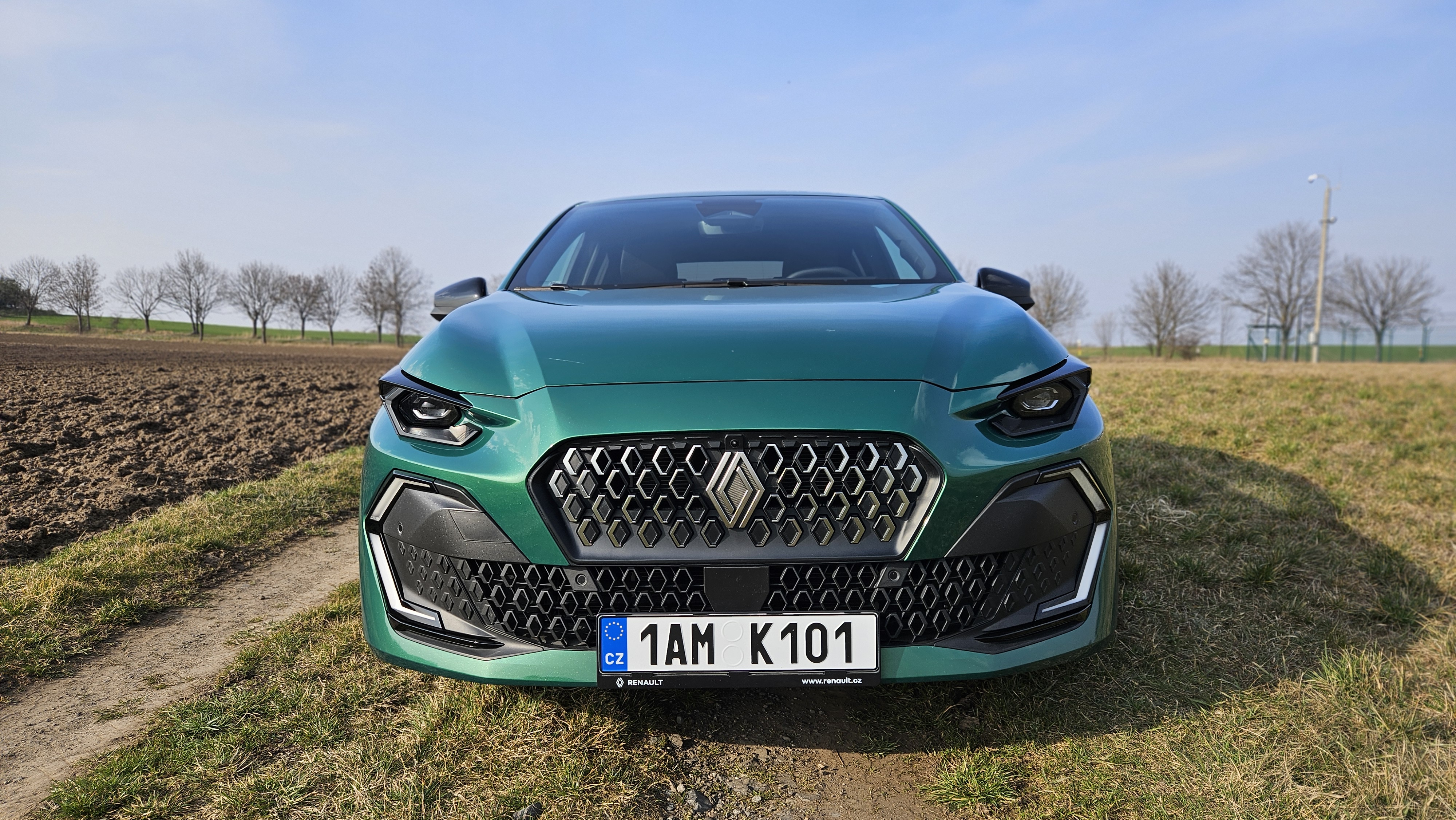
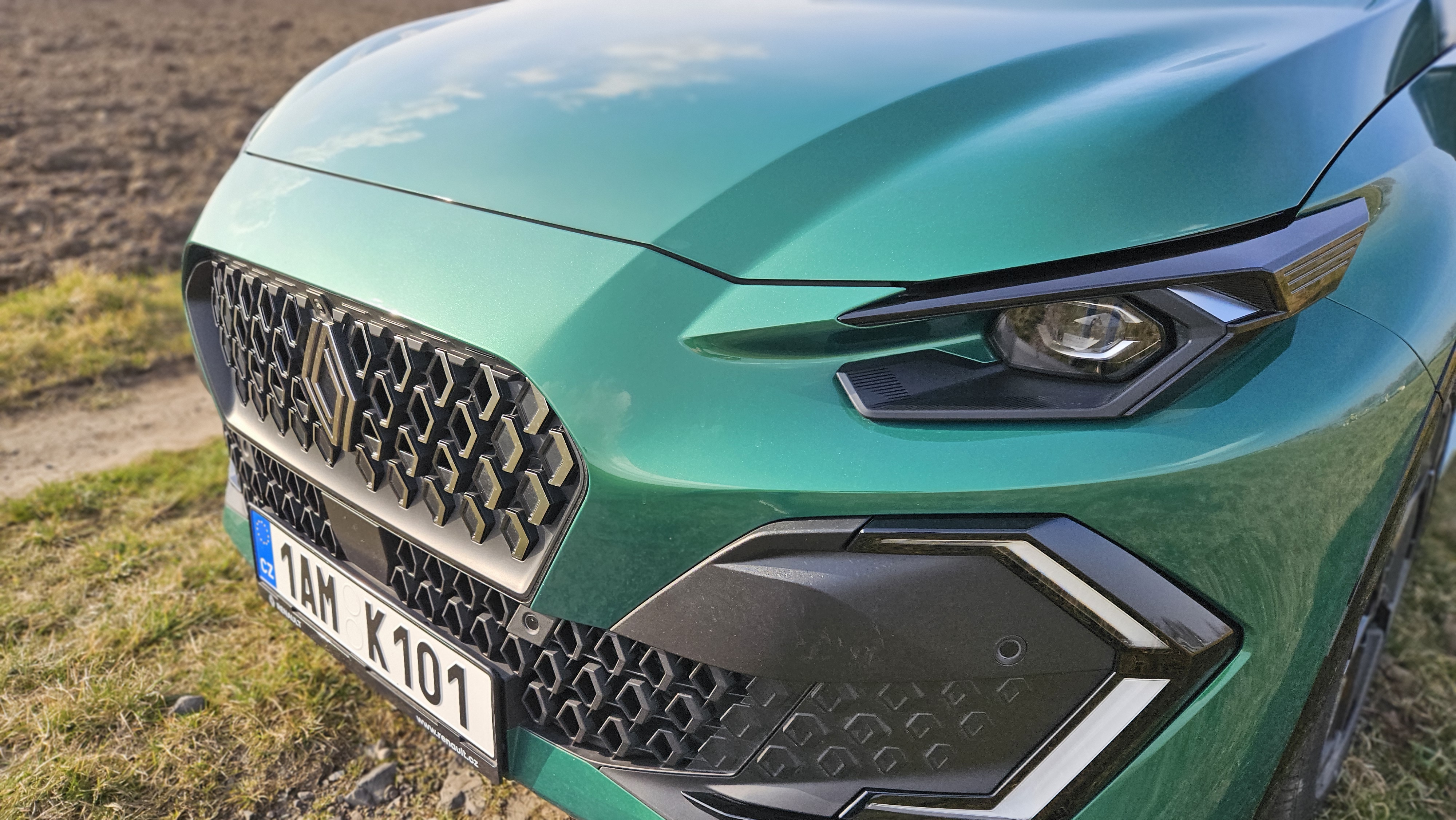
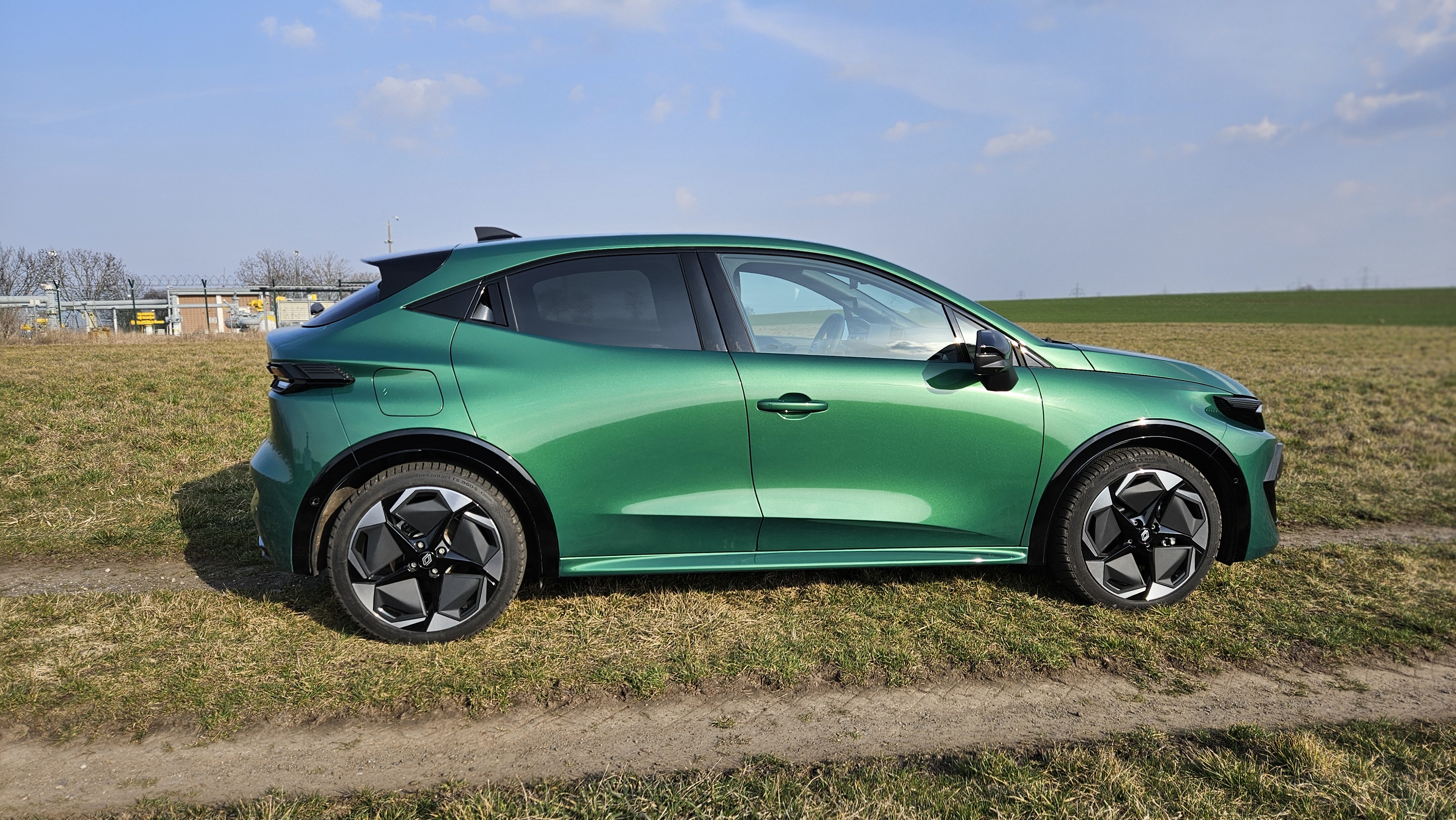
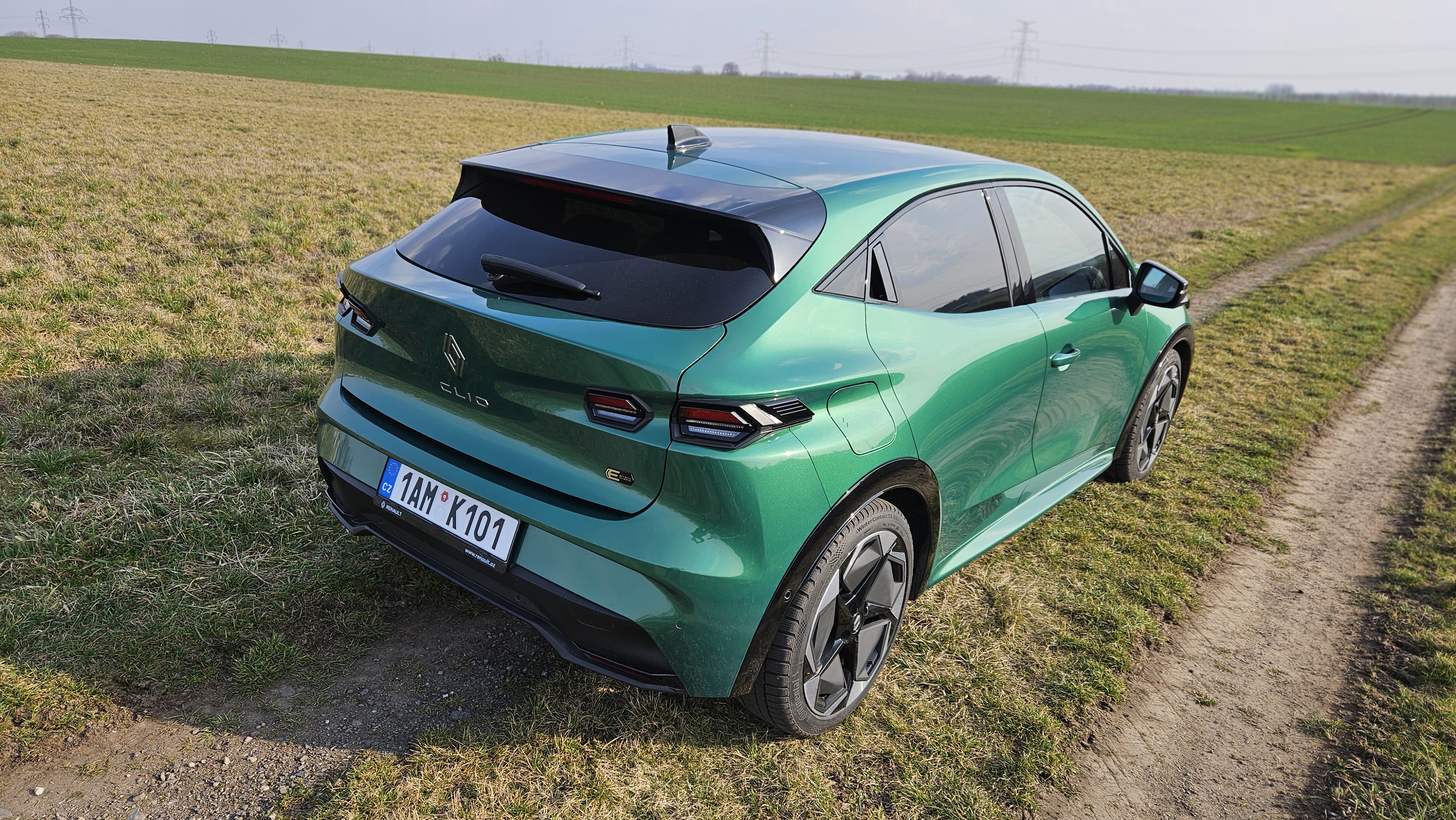
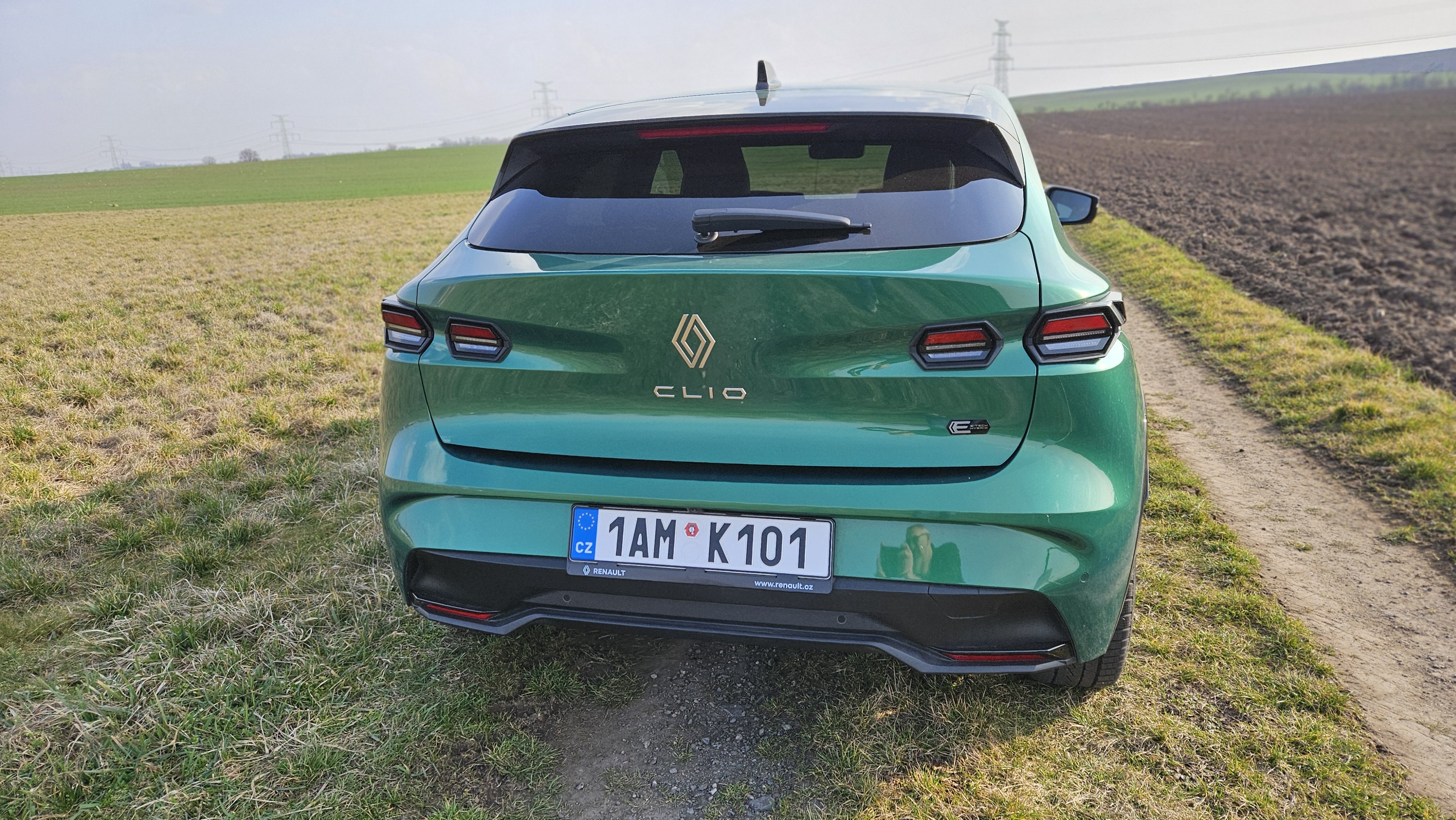
The newcomer has also grown 39 mm wider to 1.77 metres and features dynamic lines with a longer bonnet. The front fascia is particularly interesting — strongly structured on several levels and equipped with a new LED light signature. It’s a welcome change at a time when almost every carmaker connects the headlights with a thin light bar… The car also looks attractive from the side, where the flared wheel arches and 16- or 18-inch wheels stand out. There are no 17-inch wheels in the range.
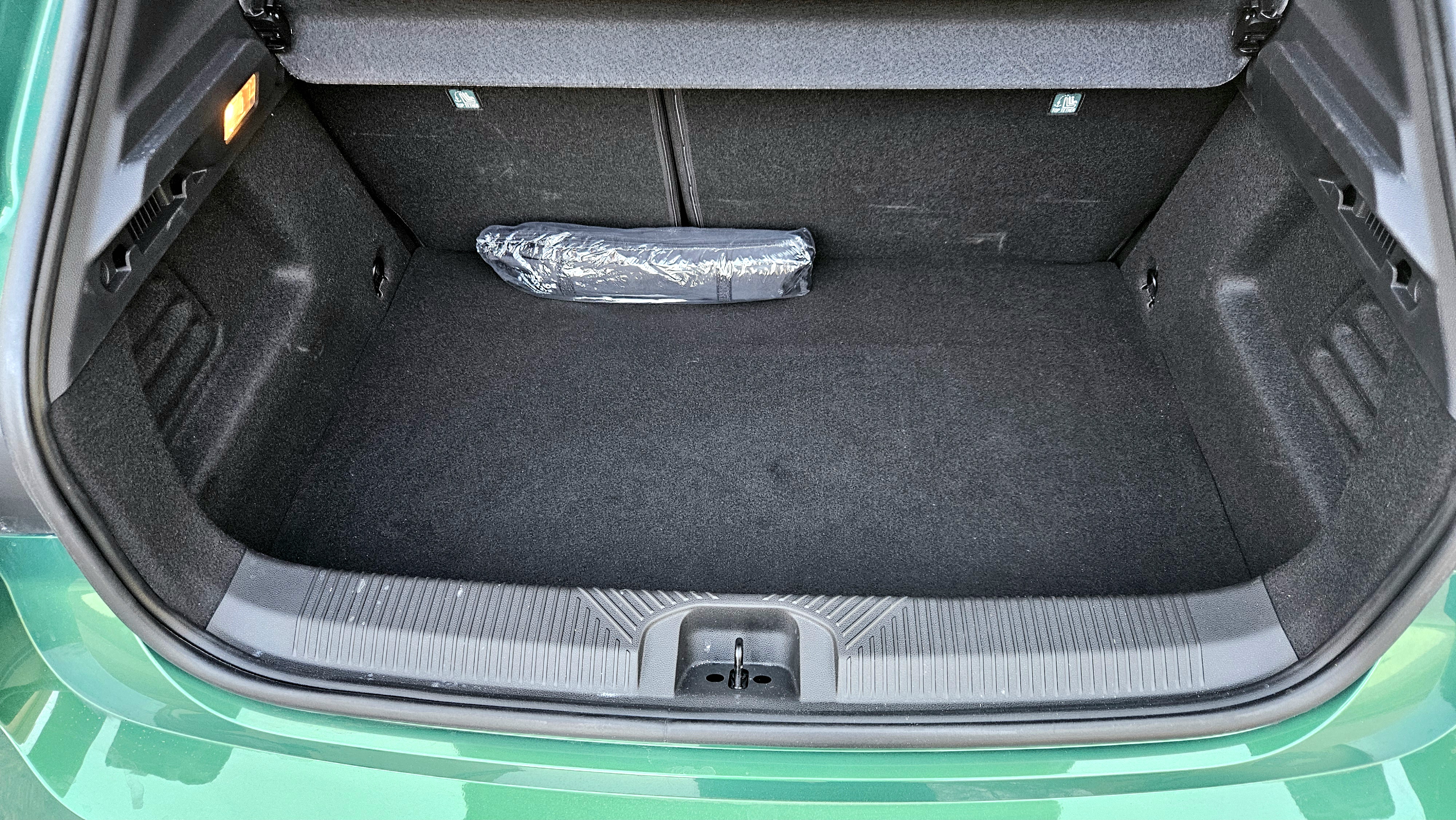
The boot has grown slightly too: petrol versions offer 391 litres with a tyre repair kit or 380 litres with a space-saver spare wheel. That beats the Fabia by 11 litres. The difference is bigger in the hybrid version — 257 litres with the spare or 309 litres without it. What all versions share, however, is a loading lip that is 40 mm lower than on the previous generation.
Review Renault Clio hybrid 2026: Still online
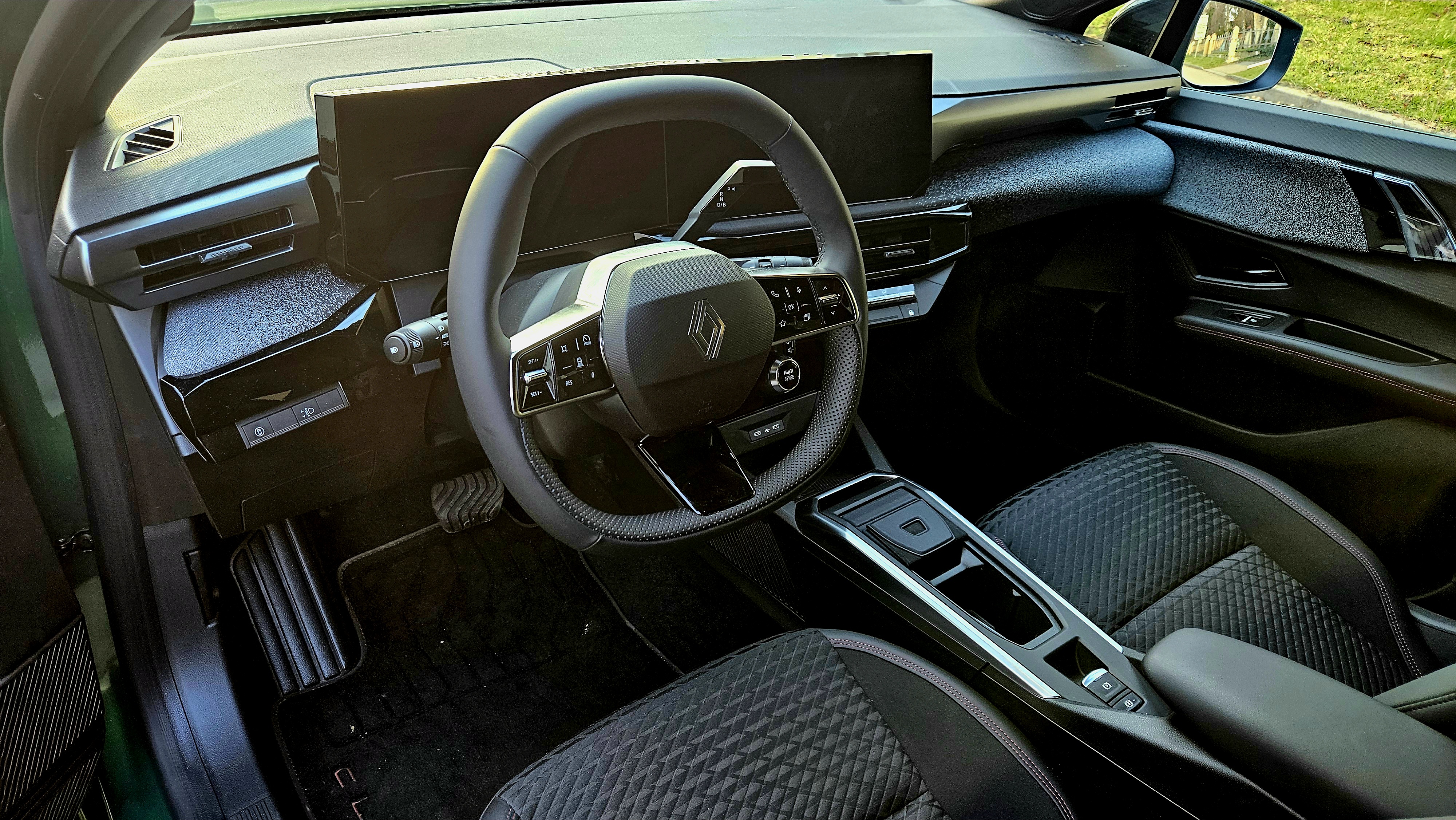
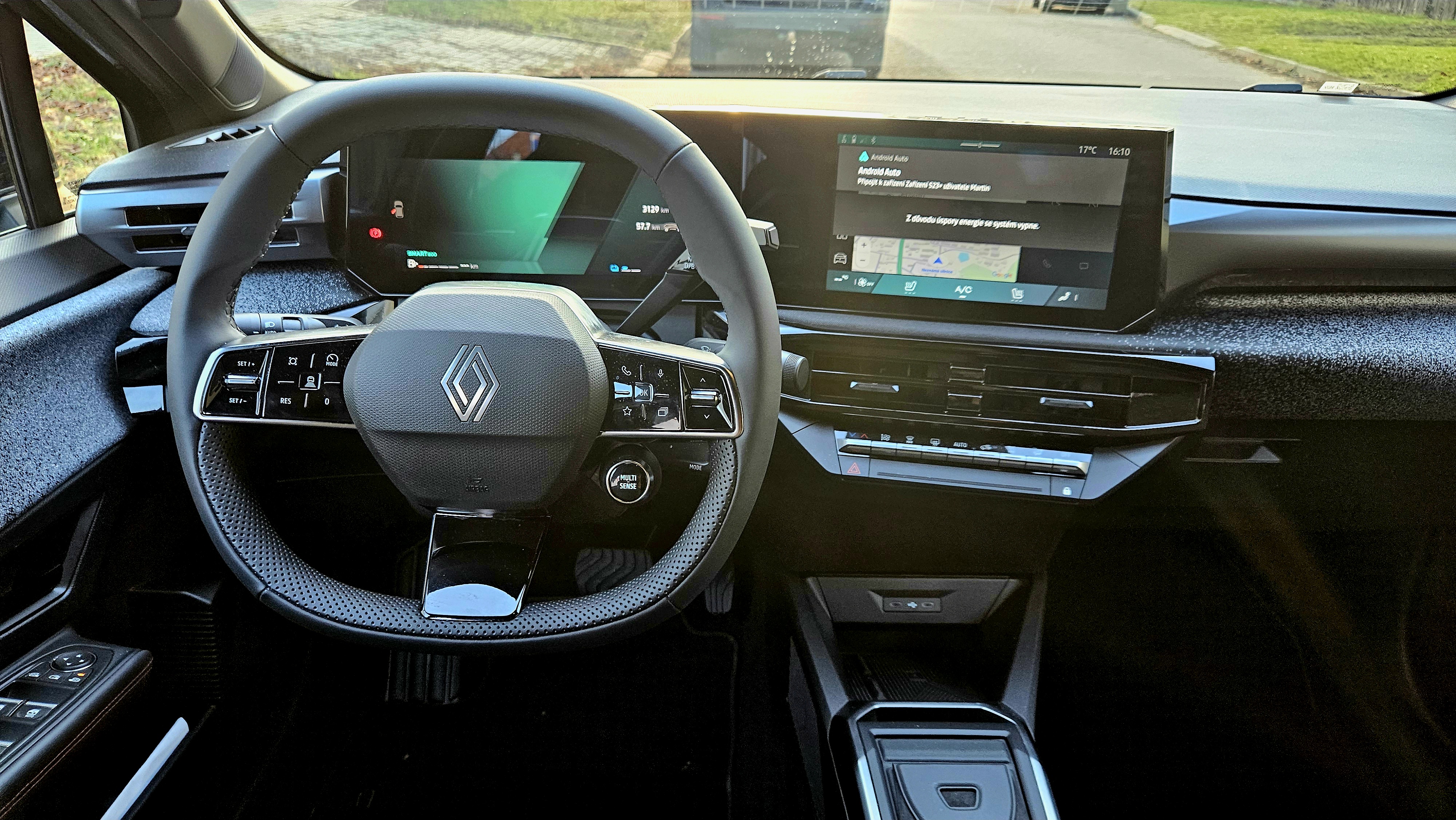
The interior follows the current Renault design language. Leaving aside the very basic trim with its 7-inch instrument cluster and 10-inch central screen, the two higher equipment levels feature two 10.1-inch displays placed side by side. The central one runs the latest OpenR Link multimedia system with integrated Google services, including apps and online maps.
The data plan is built into the car’s system, so there is no need to tether a smartphone — although both Android and Apple devices can connect wirelessly. The owner gets 2 GB of data per month for 3 years, which covers the average monthly usage of the most popular in-car apps (up to 40 hours of audio streaming or up to 3 hours of video streaming). When ordering the car it’s possible to extend this period to 5 or even 8 years.
The ergonomics deserve praise. Although the car has two digital screens, the steering wheel retains some physical buttons, the climate control has its own dedicated panel with real buttons, and the mandatory annoying driver-assistance systems can be easily switched off with a double press of a special button to the left of the steering wheel. The only potential issue for first-time users might be the relocation of the automatic transmission selector to a stalk on the right of the steering wheel. While this is common in many cars today, Renault has three stalks on the right — one for the gearbox, one for the audio system and one for the wipers. At first it’s easy to mix them up, but you soon get used to it.c
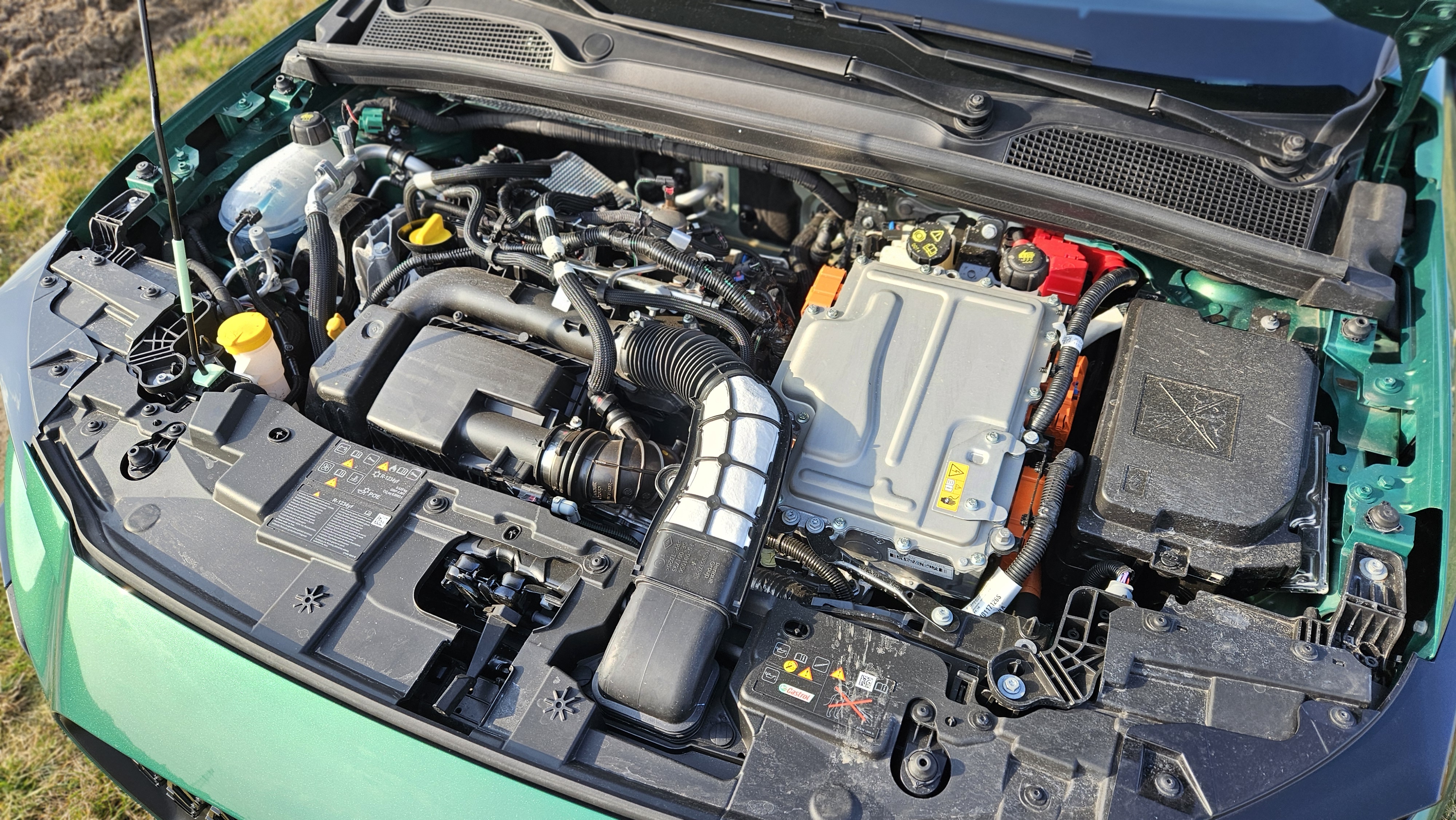
The new Clio offers more powertrain options than most of its rivals, which largely stick to petrol engines or, occasionally, hybrids. Clio is primarily presented with its hybrid powertrain, built around a 1.8 petrol engine paired with two electric motors. The system delivers a total output of 116 kW. Thanks in part to the battery capacity being increased from 1.2 kWh to 1.4 kWh, the car makes more use of electric assistance than before — resulting in an official average consumption of exactly 4 litres per 100 km. Another option is the pure-petrol 1.2 TCe with 84 kW, available with either a manual or automatic gearbox. Later this year an LPG version will join the range; thanks to the LPG tank capacity being increased from 32 to 50 litres, it will offer a record range of up to 1,450 km.
On the road, the new Clio has moved another step forward compared with its predecessor. A wider track (up 4 cm at the front and 1 cm at the rear) has improved stability during faster driving. The car corners confidently with acceptable body roll, and the seats hold the occupants securely in place. Even on the tested 18-inch wheels the ride remains very comfortable over bumps, with no harsh impacts when crossing large potholes.
The hybrid unit itself is the updated version with the larger-displacement petrol engine and better tuning overall. You can occasionally still hear the engine revving higher even when you’re barely touching the throttle (because the system needs to recharge the battery), but the noise is far better suppressed than before. The automatic transmission also works much more harmoniously with the hybrid system — no jerking or long hesitation when responding to the driver’s inputs. Sure, the odd delay still appears from time to time, but far less frequently than in the past.
It was no problem to keep consumption below five litres per 100 km; on longer extra-urban trips it would drop right down to the claimed four litres. The Smart mode is probably the best choice — it automatically adapts the settings to your driving style and switches between Sport, Eco and Comfort modes on its own. You can tell which mode is active from the instrument cluster’s ambient colour. It works smoothly; the only thing I noticed was that the system seems to prefer toggling mainly between Eco and Sport.
Martin Šidlák

